This post may contain affiliate links. Please read our disclosure policy.
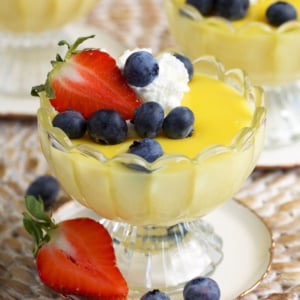
This easy Vanilla Custard Recipe is rich, creamy and velvety smooth with the perfect sweet vanilla flavor. Make it for a simple dessert, spoon it into a pie crust, or use it as a luscious filling for pastries, cakes and homemade donuts.
This homemade custard is a simple stovetop recipe made with whole milk, egg yolks, sugar, cornstarch, butter and vanilla. It takes about 20 minutes of hands-on time, then chills into a thick, smooth custard that is perfect for eating by the spoonful or using as a filling.
Kellie’s Note
Spoonful of Happy

I have always loved a simple, creamy dessert, and this homemade Vanilla Custard is one of my favorites because it feels special without being fussy. After years of developing approachable recipes for my own kitchen and sharing them here, I know the recipes that earn a permanent spot in the dessert rotation are the ones that work for more than one occasion. This custard is wonderful served in little bowls with fresh berries, but it also happens to be the dreamy filling you want for a pie, trifle, cream puffs, pastries or donuts.
It is rich enough to feel like a treat, thick enough to hold its own as a filling and smooth enough that you may suddenly find yourself standing at the refrigerator with a spoon. No judgment here.
This is a dessert you’ll make for casual Sundays and enjoy the leftover hidden in the back of the fridge on Wednesday.

Why You’ll Love My Vanilla Custard
- It is an easy, reliable stovetop custard recipe made with everyday ingredients.
- The combination of egg yolks and cornstarch makes it thick, rich and extra smooth.
- It has a classic vanilla flavor that works with practically every fruit, pastry and cake.
- Serve it warm for an easy dessert or chill it for a thicker, spoonable custard.
- It makes an excellent custard filling for pies, tarts, cream puffs, eclairs and donuts.
- You can make it up to a few days ahead, which is always a win when dessert is involved.
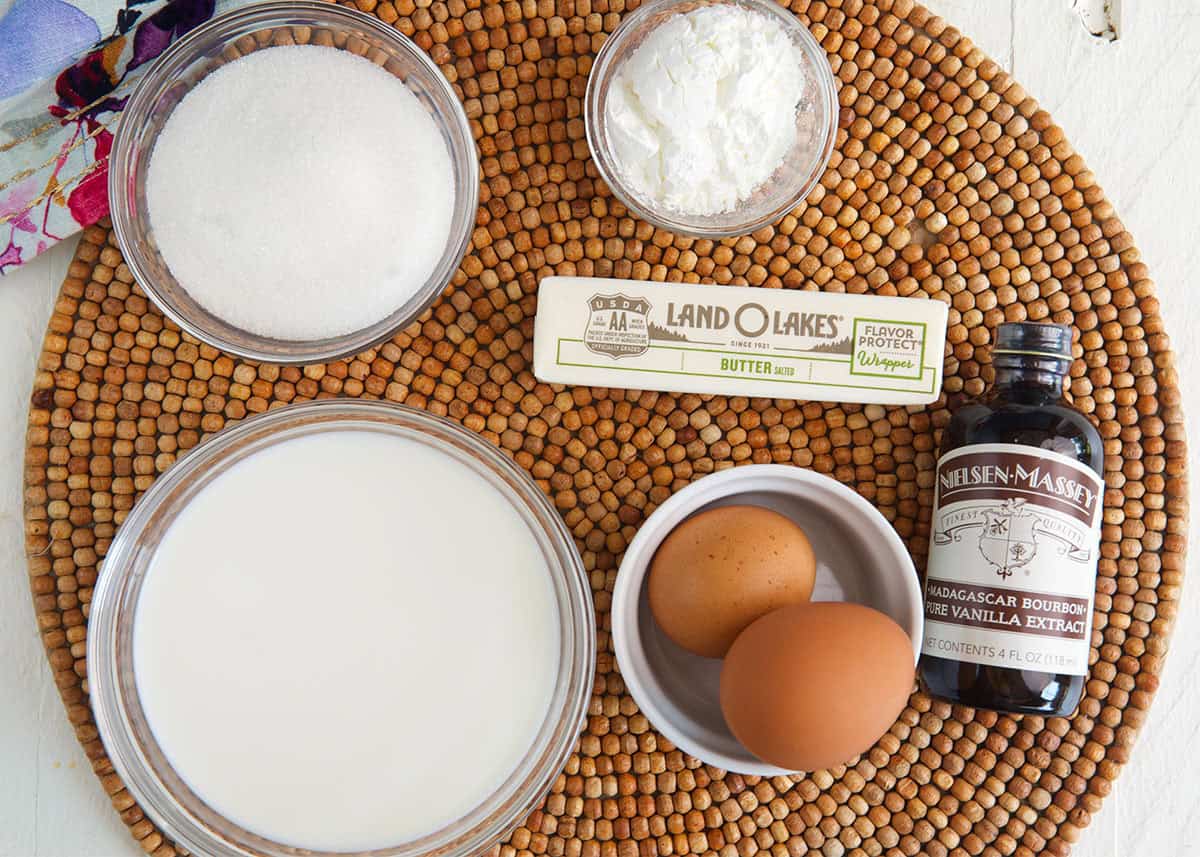
Ingredients For Custard
This is a classic egg custard made on the stovetop. It is closer in texture to a thick vanilla pastry cream than a baked egg custard, so it is sturdy enough for filling your favorite desserts.
- Whole milk – Whole milk gives the custard a rich, creamy base without making it overly heavy. You can use 2% milk in a pinch, but the finished custard will be a little less luxurious. I do not recommend skim milk here.
- Granulated sugar – Sweetens the custard and balances the richness of the egg yolks. Regular granulated sugar is best for a smooth, classic result. Avoid liquid sweeteners, which can change the consistency.
- Egg yolks – The yolks give this custard its golden color, rich flavor and silky texture. Save the egg whites for meringues, omelets or an egg white frittata.
- Cornstarch – A small amount helps the custard thicken beautifully and keeps it stable enough to use as a filling. Arrowroot starch may work, but cornstarch gives the most dependable thick, glossy texture.
- Salt – Just a pinch sharpens the vanilla flavor and keeps the custard from tasting flat. Do not skip it.
- Unsalted butter – Stirred in at the end for a glossy finish and extra richness. Salted butter works if needed; simply use a scant pinch of salt in the custard.
- Vanilla extract – This is where the warm, familiar vanilla flavor comes from. Vanilla bean paste is especially lovely and adds those pretty vanilla flecks. You can also use the seeds from a vanilla bean.
How to Make Custard
Making custard is easy once you know what to look for. The key is keeping the heat moderate and whisking while the custard thickens.
- Warm the milk and part of the sugar in a medium saucepan over medium heat. You want to see steam and tiny bubbles gathering around the edge of the pan, but do not let it reach a rolling boil.
- While the milk warms, whisk the egg yolks, remaining sugar, cornstarch and salt in a bowl until the mixture is smooth, pale yellow and free of lumps.
- Slowly whisk a little of the hot milk into the egg mixture. This gently warms the yolks so they do not scramble when they go back into the saucepan. Add another splash of warm milk while whisking.
- Pour the tempered egg mixture into the saucepan with the remaining milk. Reduce the heat to medium-low and whisk constantly, making sure to reach the corners of the pan.
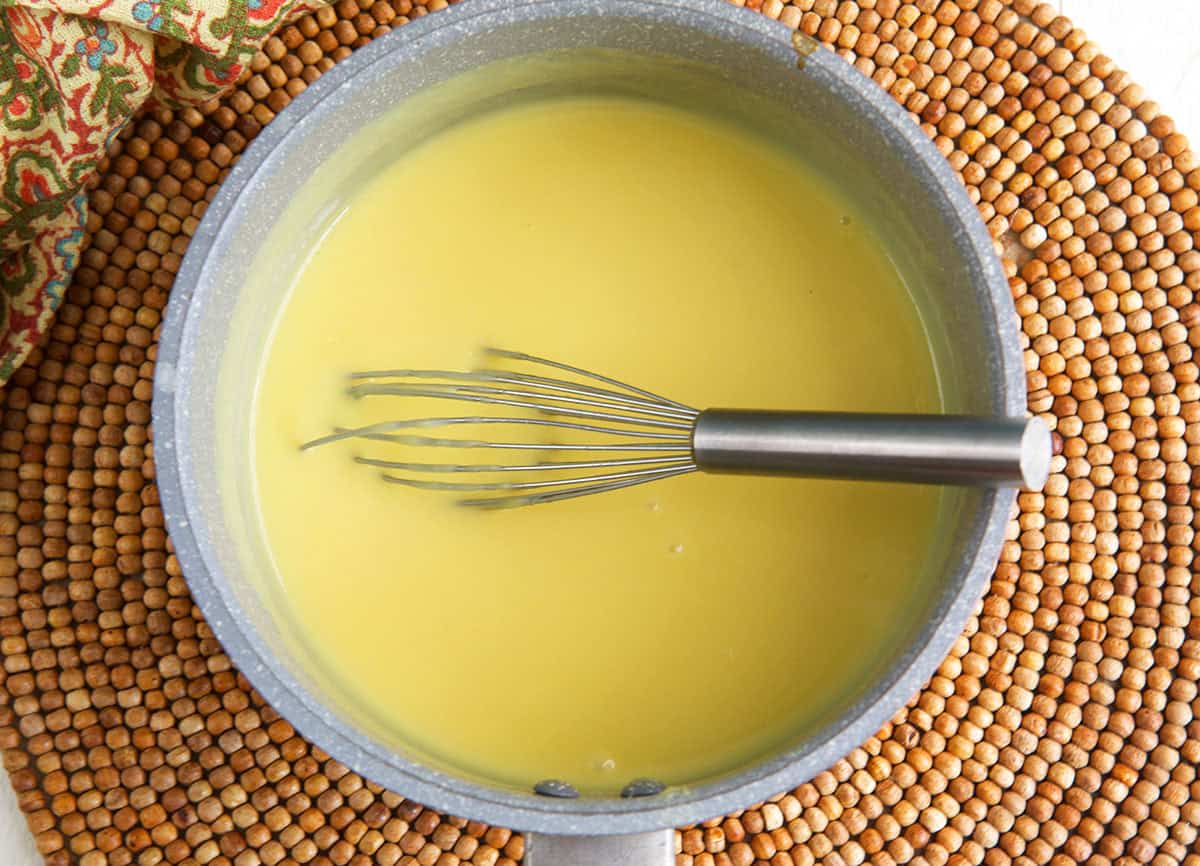
- Keep whisking until the custard thickens noticeably and begins to bubble. It should look glossy and thick enough to coat the back of a spoon. When you run a finger through the coating on the spoon, it should leave a clean line.
- Let the custard bubble gently for one minute while whisking. This cooks out any starchy taste and gives you a thick, stable custard filling.
- Remove from the heat and stir in the butter and vanilla until the custard is completely smooth and smells irresistibly like vanilla.
- For the smoothest finish, pour the custard through a fine-mesh strainer into a clean bowl. This step is optional but especially helpful if you plan to use it for pies, pastries or donuts.
- Serve warm, or press plastic wrap directly onto the surface and refrigerate until chilled.
How to Store Custard
- Transfer the custard to an airtight container and press plastic wrap directly onto the surface before covering it. This prevents a skin from forming while it chills.
- Refrigerate homemade custard for up to 4 days. Give chilled custard a good whisk before serving or piping into pastries to bring back its creamy, smooth texture.
- I do not recommend freezing custard. The texture can separate and become grainy once thawed.
Kellie’s Tips for the Best Custard
- Use a whisk, not a spoon. Whisking constantly once the eggs are added is your best insurance policy against lumps.
- Temper the eggs slowly. Add the hot milk in a thin stream while whisking so the yolks warm gradually.
- Keep the heat moderate. High heat can make the eggs curdle before the custard has a chance to thicken smoothly.
- Do not stop at the first sign of thickness. Once the custard starts bubbling, cook and whisk it for one more minute for the best thick, stable consistency.
- Strain it if you want bakery-case smoothness. A fine-mesh strainer catches any tiny bits of cooked egg and makes the custard beautifully silky.
- Chill it properly. Plastic wrap should touch the custard itself, not just cover the bowl, to prevent a thick skin on top.
- Whisk after chilling. Custard firms up in the refrigerator. A quick whisk makes it creamy and pipeable again.
What to Serve with Custard
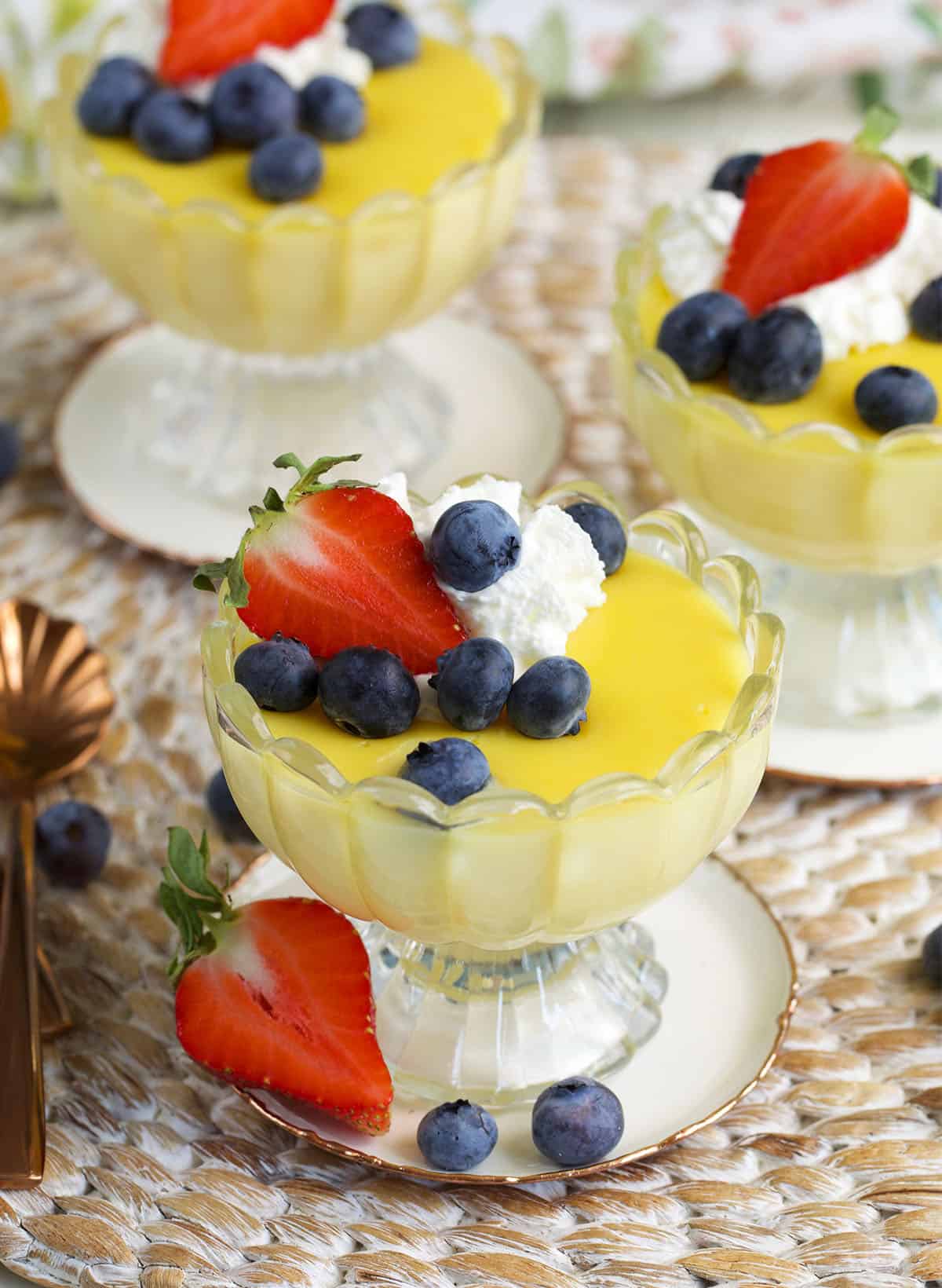
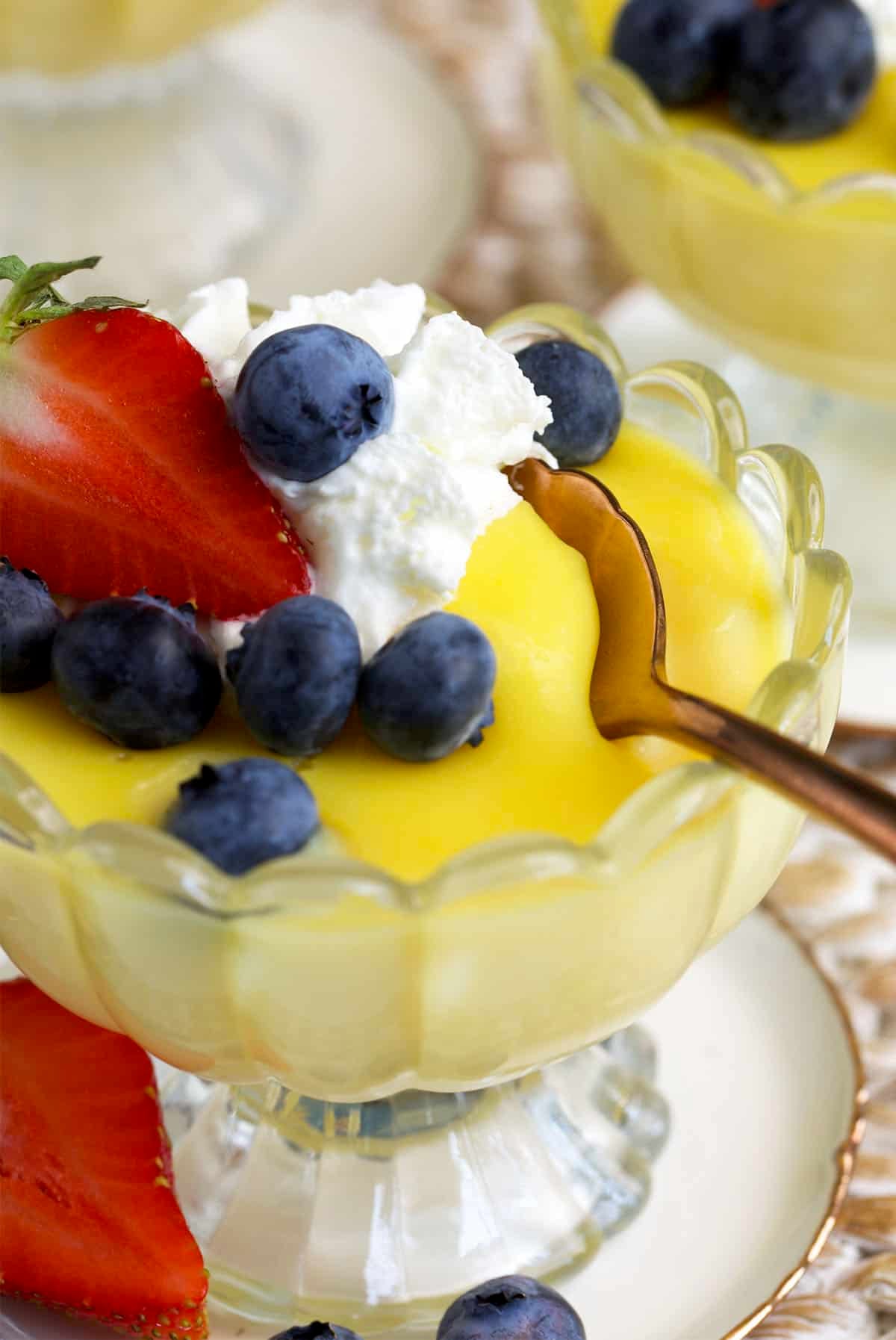
This Vanilla Custard Recipe is wonderful all on its own, especially topped with fresh berries, sliced bananas, whipped cream or a sprinkle of cinnamon. It also plays very well with just about every dessert in the room.
Try it with:
- Fresh strawberries, raspberries, blueberries or peaches
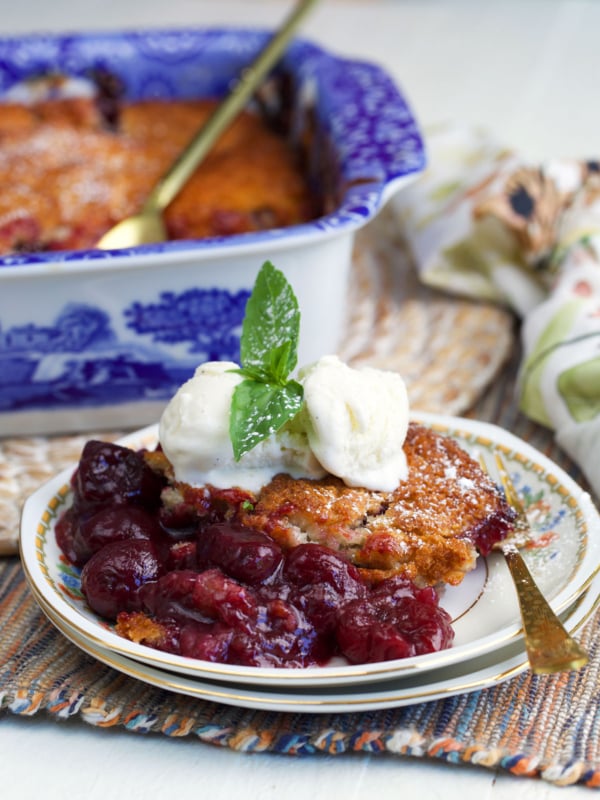
- Warm Brown Butter Mixed Berry Cobbler or apple crisp
- Apple pie, peach pie or hand pies
- Pound cake, angel food cake or sponge cake
- Cream puffs, eclairs or profiteroles
- Easy Strawberry Trifle
More Dessert Recipes
If you love an easy homemade dessert, try one of these next:
- Homemade Vanilla Pudding
- Easy Chocolate Pudding
- Classic Rice Pudding
- Strawberry Shortcake
- The Very Best Butterscotch Pudding
- Banana Pudding
Custard Recipe
Equipment
- saucepan
- 1 whisk
- 1 measuring cup
- measuring spoons
Ingredients
- 2 cups whole milk
- 1/2 cup granulated sugar, divided
- 4 large egg yolks
- 3 tablespoons cornstarch
- 1/4 teaspoon salt
- 2 tablespoons unsalted butter
- 2 teaspoons vanilla extract
Instructions
- Add the milk and 1/4 cup sugar to a medium saucepan. Heat over medium heat, stirring occasionally, until steaming and small bubbles form around the edge of the pan. Do not boil.
- While the milk heats, whisk the egg yolks, remaining 1/4 cup sugar, cornstarch and salt together in a medium bowl until smooth and pale yellow.
- Slowly drizzle about 1/2 cup of the hot milk into the egg mixture while whisking constantly. Whisk in another 1/2 cup hot milk.
- Pour the tempered egg mixture back into the saucepan with the remaining milk.
- Cook over medium-low heat, whisking constantly, until the custard thickens and begins to bubble, approximately 3 to 5 minutes. Continue cooking and whisking for 1 minute.
- Remove the saucepan from the heat. Stir in the butter and vanilla until smooth.
- For extra-smooth custard, strain through a fine-mesh sieve into a clean bowl.
- Serve warm, or press plastic wrap directly against the surface of the custard. Refrigerate for at least 2 hours before serving chilled.
Notes
- Keep the heat at medium-low and whisk constantly after adding the egg mixture. High heat can cause the eggs to curdle.
- The custard is ready when it coats the back of a spoon and a finger drawn through it leaves a clean line.
- For the smoothest custard filling, strain the finished custard through a fine-mesh sieve before chilling.
- Store custard in an airtight container in the refrigerator for up to 4 days. Press plastic wrap directly onto the surface to prevent a skin from forming.
- Chilled custard will firm up. Whisk it briefly before serving or transferring it to a piping bag.
- Do not freeze custard, as the texture can separate when thawed.
Nutrition
Nutrition information is automatically calculated, so should only be used as an approximation.
Frequently Asked Questions
Is custard the same as pudding?
They are similar, but custard is traditionally made with eggs, while pudding is usually thickened primarily with starch. This Vanilla Custard Recipe uses both egg yolks and cornstarch, giving it a rich flavor with a smooth, dependable texture.
Is this an egg custard recipe?
Yes, this is an egg custard because egg yolks give it richness and structure. It is a stovetop custard rather than a baked egg custard, and the cornstarch makes it thick enough to use as a pastry or pie filling.
Can I use this custard as a filling for donuts?
Absolutely. Chill it completely, whisk until smooth, then transfer it to a piping bag fitted with a filling tip. It is delicious in homemade yeast donuts, cream puffs, eclairs and layered cakes.
Can I make custard ahead of time?
Yes. Make it up to 4 days ahead and keep it refrigerated with plastic wrap pressed directly against the surface. Whisk it before serving or using as a filling.
Why is my custard lumpy?
Custard can become lumpy if the heat is too high or if it is not whisked consistently. You can often save it by immediately straining it through a fine-mesh sieve while it is still warm.
Can I make vanilla custard without cornstarch?
You can, but it will be thinner and more delicate. The cornstarch helps create a thicker custard that is better for pies, pastries and donuts.