
This post may contain affiliate links. Please read our disclosure policy.
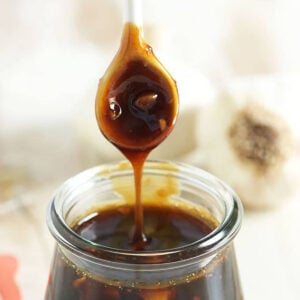
Wondering how to make teriyaki sauce at home? This easy Teriyaki Sauce Recipe comes together in about 10 minutes with simple pantry ingredients for a thick, glossy sauce that’s perfectly sweet and savory. It’s easy to customize and so much better than the bottled stuff.
Use this homemade teriyaki sauce for chicken, salmon, stir-fries, rice bowls, veggies, dipping or glazing. You can also leave it thinner to use as a marinade or adjust the consistency depending on how you plan to serve it.
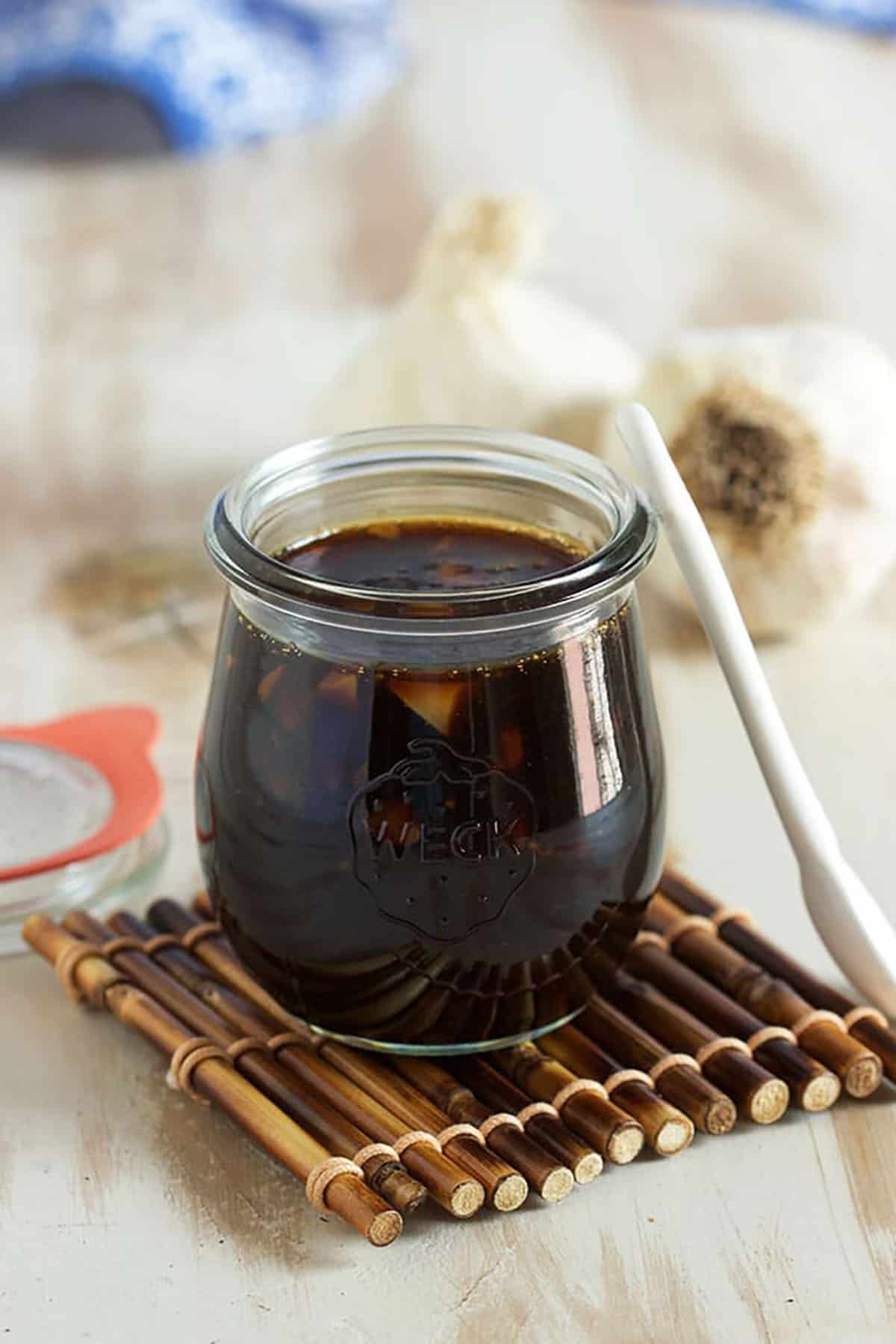
Table of Contents
- Kellie’s Note Terrific Teriyaki
- Why You’ll Love This Teriyaki Sauce Recipe
- Ingredients for Homemade Teriyaki Sauce
- Easy Ingredient Substitutions
- How to Make Teriyaki Sauce
- Kellie’s Tips for the Best Teriyaki Sauce
- How to Use Teriyaki Sauce as a Marinade
- What Is Teriyaki Sauce?
- How to Use Teriyaki Sauce
- How to Store Teriyaki Sauce
- Easy Teriyaki Sauce Recipe
- More Easy Sauce Recipes
Kellie‘s Note
Terrific Teriyaki

I’ve been making a lot of homemade sauces lately so I know exactly what’s going into my food. It’s one of my favorite ways to keep my kitchen more “from-scratch” when convenience foods are filled with ingredients I can’t even pronounce.
This teriyaki sauce is thick, rich and perfectly sticky, just the way you want it for drizzling over rice bowls, tossing with stir-fried veggies, or brushing on teriyaki chicken and teriyaki salmon. It also doubles as an easy marinade (I’ll show you how), so you can keep a jar in the fridge and use it all week long.
Around here, we love anything teriyaki, and this sauce is the base for recipes like my Baked Teriyaki Chicken, Teriyaki Salmon and Teriyaki Grilled Flank Steak. Think of it as your go-to “better than takeout” teriyaki that you can whip up whenever a craving hits.
I’ve been making this teriyaki sauce for years and it’s still the one I reach for when I need a fast, flavorful dinner starter.

Why You’ll Love This Teriyaki Sauce Recipe
- Easy to make gluten-free: Swap the soy sauce for tamari or coconut aminos.
- Quick and easy: It comes together in one saucepan in about 10 minutes.
- Pantry-friendly: No complicated ingredients or special equipment required.
- Thick and glossy: The cornstarch slurry creates that sticky teriyaki sauce texture that’s perfect for drizzling and glazing.
- Easy to customize: Make it sweeter, spicier, thicker or thinner depending on how you plan to use it.
- Versatile: Use it for chicken, salmon, beef, pork, veggies, stir-fries, rice bowls or dipping.
Ingredients for Homemade Teriyaki Sauce
- Soy Sauce: The salty, savory base of the sauce. I like low-sodium soy sauce because it gives you more control over the final flavor.
- Brown Sugar: Adds sweetness and helps create that sticky teriyaki finish.
- Sweet Rice Wine: Adds subtle sweetness and depth that balances the soy sauce.
- Garlic: Gives the sauce plenty of savory flavor.
- Ginger: Adds warmth and that familiar teriyaki flavor.
- Cornstarch: Thickens the sauce and gives it a smooth, glossy consistency.
- Water: Loosens the sauce and is also used to make the cornstarch slurry.
See the recipe card below for the full ingredient amounts.
Easy Ingredient Substitutions
- Citrus teriyaki: Replace some of the water with pineapple or orange juice, or add a little orange zest.
- Gluten-free: Use tamari in place of soy sauce.
- Soy-free: Coconut aminos work well, but they’re sweeter and less salty, so reduce the brown sugar slightly if needed.
- No cornstarch: Use arrowroot powder or simmer the sauce longer to reduce and thicken naturally.
- Sweeter sauce: Add a little honey or maple syrup.
- Spicy teriyaki: Add crushed red pepper flakes, sriracha or chili-garlic sauce.
- Sesame teriyaki: Stir in a little toasted sesame oil after the sauce has finished cooking.
How to Make Teriyaki Sauce
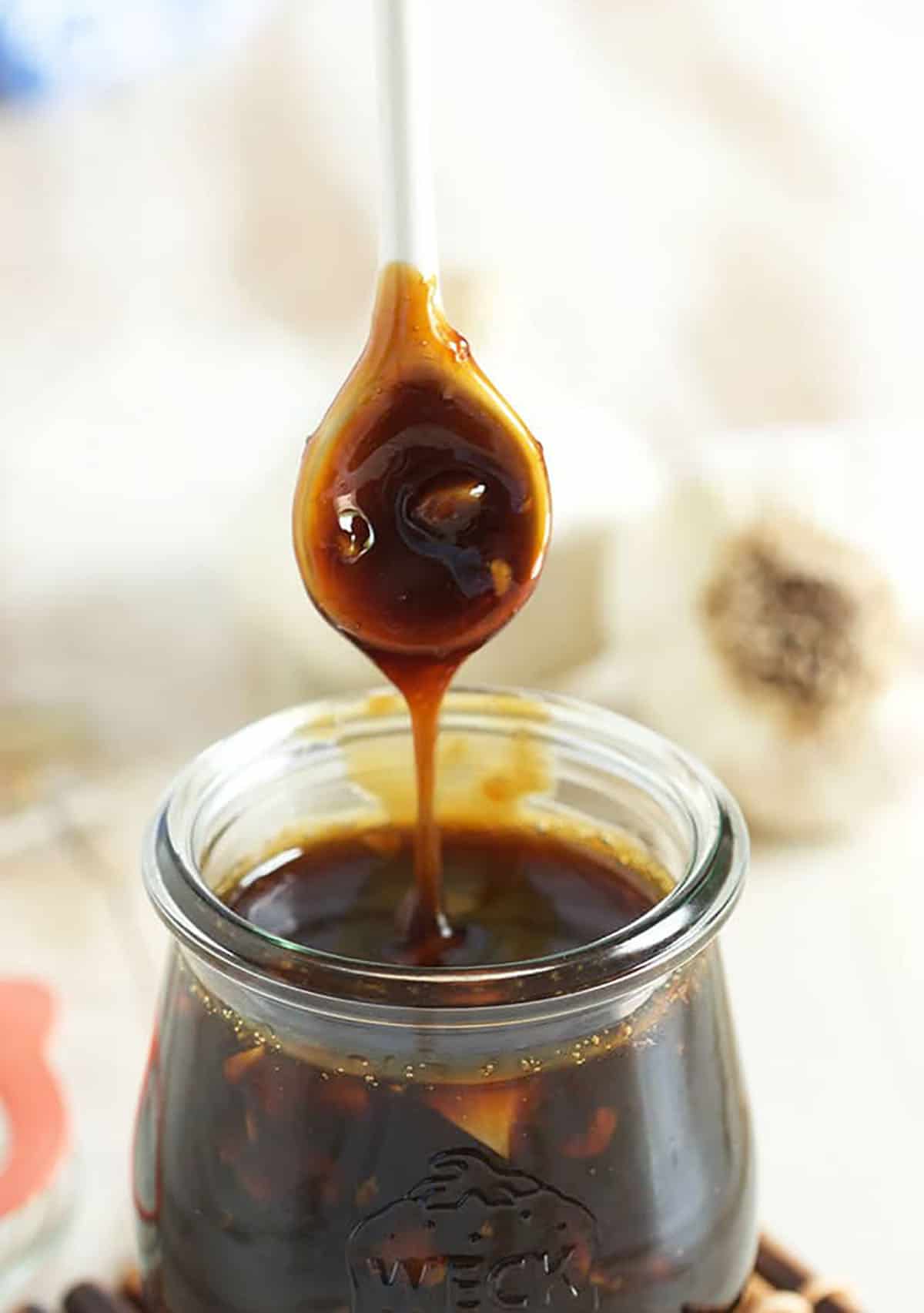
- Combine the sauce. Add the soy sauce, water, sweet rice wine, brown sugar, garlic and ginger to a small saucepan and whisk to combine.
- Simmer. Bring the mixture to a boil, reduce the heat and simmer for a few minutes until the sugar dissolves and the flavors come together.
- Make the slurry. Whisk the cornstarch with cold water until completely smooth.
- Thicken the sauce. Slowly whisk the slurry into the simmering sauce and cook for 1 to 2 minutes, until glossy and thick enough to coat the back of a spoon.
- Adjust if needed. Remove from the heat. For a thinner sauce, whisk in a little water. Remember that the sauce will continue to thicken slightly as it cools.
Kellie’s Tips for the Best Teriyaki Sauce
- Use cold water for the slurry. This helps the cornstarch dissolve smoothly without clumps.
- Whisk while adding the slurry. Pour it in slowly while whisking so the sauce stays smooth.
- Don’t overcook it. Remove the sauce from the heat once it’s glossy and coats the back of a spoon. It thickens more as it cools.
- Too thick? Whisk in cold water a tablespoon at a time over low heat.
- Too thin? Simmer a little longer or add a small amount of additional cornstarch slurry.
- Too salty? Stir in a little water and brown sugar to rebalance the flavor.
- Using it as a glaze? Brush it onto meat or vegetables toward the end of cooking so the sugars have less chance of burning.
How to Use Teriyaki Sauce as a Marinade
For a teriyaki marinade, skip the cornstarch or set some of the sauce aside before thickening it. Let the sauce cool completely before adding it to your protein.
- Chicken: Marinate 30 to 60 minutes.
- Salmon: Marinate 15 to 30 minutes.
- Beef or pork: Marinate 30 to 90 minutes.
- Tofu or tempeh: Marinate 30 to 60 minutes.
Pat meat or seafood dry before cooking for better browning, then brush with thickened teriyaki sauce near the end of cooking for extra flavor.
What Is Teriyaki Sauce?
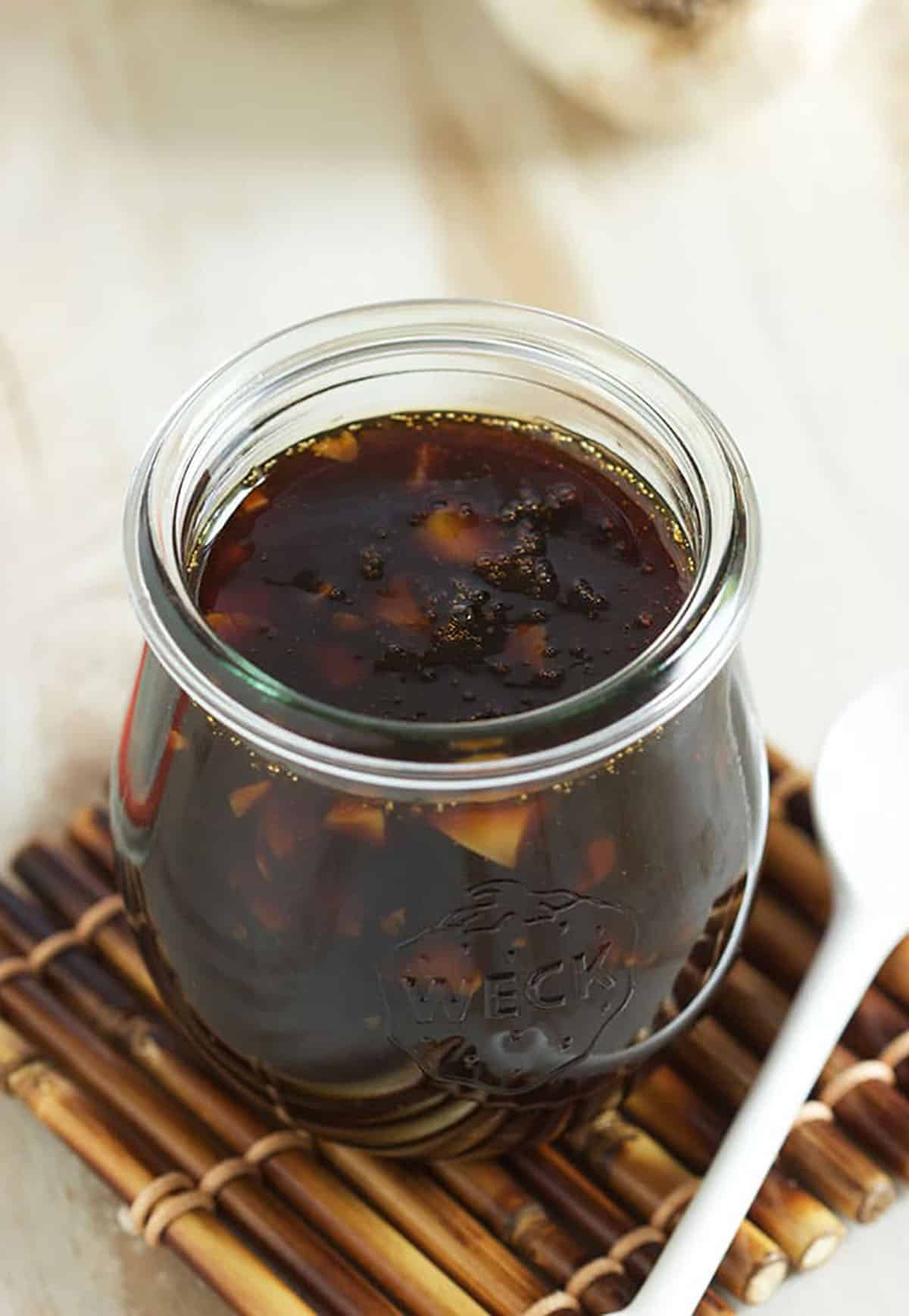
Teriyaki originally refers to a Japanese cooking technique where foods are cooked with a shiny sweet-and-savory glaze. Traditional Japanese teriyaki seasoning is generally made with soy sauce, sake, mirin and sugar and thickens as it reduces.
The thick, sticky teriyaki sauce many of us know from restaurants and grocery stores in the U.S. is a little different. This homemade version is more American-style, with garlic, ginger, brown sugar and a cornstarch slurry that creates a glossy sauce perfect for chicken, salmon, stir-fries, rice bowls and dipping.
How to Use Teriyaki Sauce
Keep your existing chicken, salmon, beef and pork, stir-fry, rice and noodle bowl, vegetable and dipping sauce ideas underneath this heading.
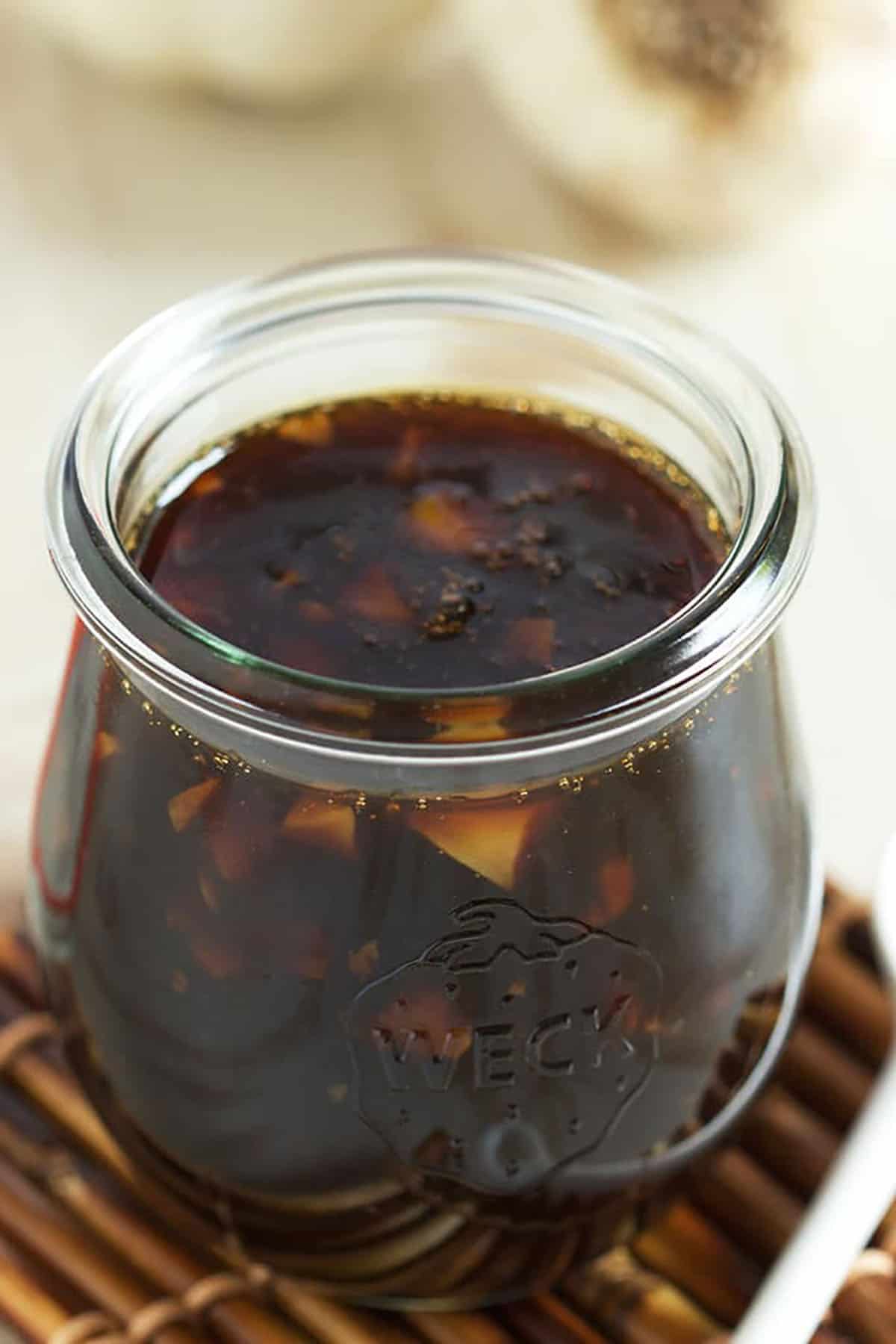
- Chicken teriyaki: Toss cubed or sliced chicken in the sauce and stir-fry, or use it as a marinade for my Baked Teriyaki Chicken or Baked Teriyaki Chicken Casserole Recipe.
- Salmon: Brush it over teriyaki baked salmon fillets before baking or grilling, then drizzle a little extra on top before serving.
- Beef and pork: Use as a marinade or glaze for flank steak, pork tenderloin or teriyaki chicken kabobs. It’s especially amazing on Teriyaki Grilled Flank Steak.
- Stir-fries: Add to your favorite veggie and protein stir-fries for an instant dinner upgrade.
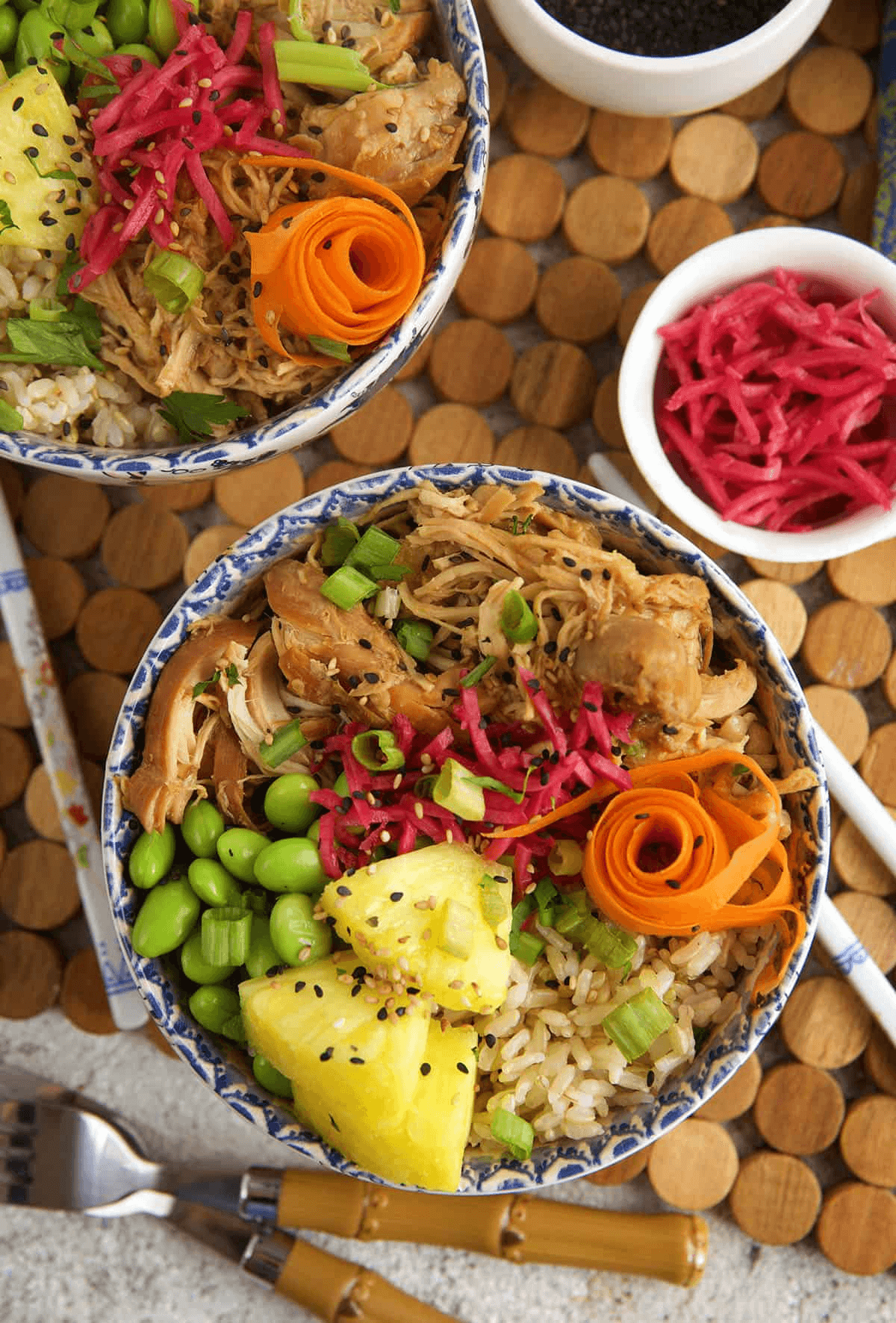
- Rice and noodle bowls: Drizzle over rice, ramen, or soba bowls with veggies and your favorite protein. I love these Teriyaki Chicken Rice Bowls.
- Veggies: Toss roasted or steamed broccoli, snap peas or green beans with a spoonful of warm teriyaki sauce.
- Dipping sauce: Serve it as a dipping sauce for potstickers, chicken nuggets or veggie skewers.
Once you have a jar in the fridge, it becomes a quick flavor booster for all kinds of weeknight dinners.
How to Store Teriyaki Sauce
- Refrigerator – Let the sauce cool completely, then transfer to an airtight jar or container. Store in the refrigerator for up to 7 days.
- Freezer – Teriyaki sauce freezes well. Pour into a freezer-safe container or zip-top bag (or even ice cube trays for small portions) and freeze for up to 3 months. Thaw overnight in the refrigerator, then whisk or warm gently on the stove before using.
- Reheating – Reheat on the stovetop over low heat or in the microwave in short bursts, stirring between each, until warmed through. If the sauce seems too thick after chilling, whisk in a splash of water until it loosens to your desired consistency.
- Make-ahead – You can easily double the recipe and freeze half for later. Keep some thick sauce on hand for glazing and a thinner batch (without cornstarch) for marinades so you’re ready for quick dinners all week.
Easy Teriyaki Sauce Recipe
Equipment
- 1 saucepan
Ingredients
- 1/2 cup soy sauce
- 1/4 cup water
- 2 tablespoons sweet rice wine
- 1/2 cup brown sugar
- 1 1/2 teaspoons minced garlic
- 2 teaspoons minced ginger
- 1 tablespoon cornstarch
- 1 tablespoon cold water, for the cornstarch slurry
Instructions
- Add the soy sauce, 1/4 cup water, sweet rice wine, brown sugar, garlic and ginger to a small saucepan over medium heat. Whisk to combine.
- Bring the mixture to a boil, reduce the heat to low and simmer for 5 minutes.
- In a small bowl, whisk the cornstarch with 1 tablespoon cold water until completely smooth.
- Slowly whisk the cornstarch slurry into the sauce. Cook for 1 to 2 minutes, stirring, until the sauce is glossy and coats the back of a spoon.
- Remove from the heat. The sauce will continue to thicken slightly as it cools.
Video
Notes
- For a marinade, skip the cornstarch or set some sauce aside before thickening.
- Cool completely before using.
- Use low-sodium soy sauce if you prefer a less salty sauce.
- For gluten-free teriyaki sauce, use tamari. Coconut aminos can be used for a soy-free option.
- If the sauce becomes too thick after chilling, warm it over low heat and whisk in a splash of water.
- For extra sesame flavor, stir in a small amount of toasted sesame oil after cooking.
- Store in the refrigerator for up to 1 week or freeze for up to 3 months.
Nutrition
Nutrition information is automatically calculated, so should only be used as an approximation.
More Easy Sauce Recipes
- The Very Best Cocktail Sauce Recipe
- The Very Best Creamy Horseradish Sauce
- Nashville Hot Sauce
- Yum Yum Sauce
- How to Make Bechamel Sauce
DON’T MISS A RECIPE! Be sure you’re following us over on Facebook and Instagram for even more easy family recipes!
Yes. For a marinade, either skip the cornstarch entirely or set some of the sauce aside before you thicken it. The thinner version will soak into the meat more easily. Marinate chicken, beef, pork or tofu for at least 30 minutes and up to 24 hours in the refrigerator.
If the sauce tastes too salty, whisk in a little more water and a bit of additional brown sugar to balance the flavor. Using low-sodium soy sauce and measuring carefully also helps prevent it from getting too salty in the first place.
If you don’t have sweet rice wine or mirin, you can use a little extra water plus a teaspoon or two of additional brown sugar to replace the sweetness. The flavor will be slightly different, but still delicious and very usable for everyday dinners.
Yes. Teriyaki sauce freezes very well. Cool it completely, then transfer to a freezer-safe container or bag. Freeze for up to 3 months. Thaw in the refrigerator overnight and whisk or gently reheat before using.










This looks really good, how much is in one serving of the sauce?
it’s about 2 tablespoons of sauce per serving.
I leave my email address after trying to get the teriyaki chicken. It comes up that I have to hit something and I hit it and then it never does it thing. It just keeps spinning around I give it five stars because it looks delicious
Hi Myra! Sorry for the difficulty in getting the recipe but we fixed the issue and hope you’ll try again soon. Have a wonderful day!
Best ever! Easy!
Thank you so much!