
This post may contain affiliate links. Please read our disclosure policy.
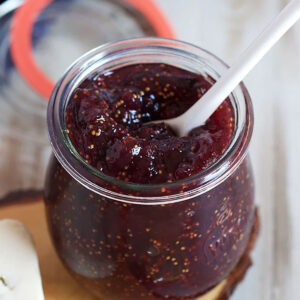
Savor the flavor of summer with this easy Fig Jam recipe made with fresh figs, sugar, lemon juice, vanilla, and a splash of water. No pectin required! It cooks down into a sweet, thick, jammy spread that’s perfect for cheese boards, toast, baked brie, sandwiches, and even glazing chicken.
If you have fresh figs that need to be used quickly, this homemade fig jam is one of the easiest ways to preserve their sweet summer flavor without complicated canning equipment.
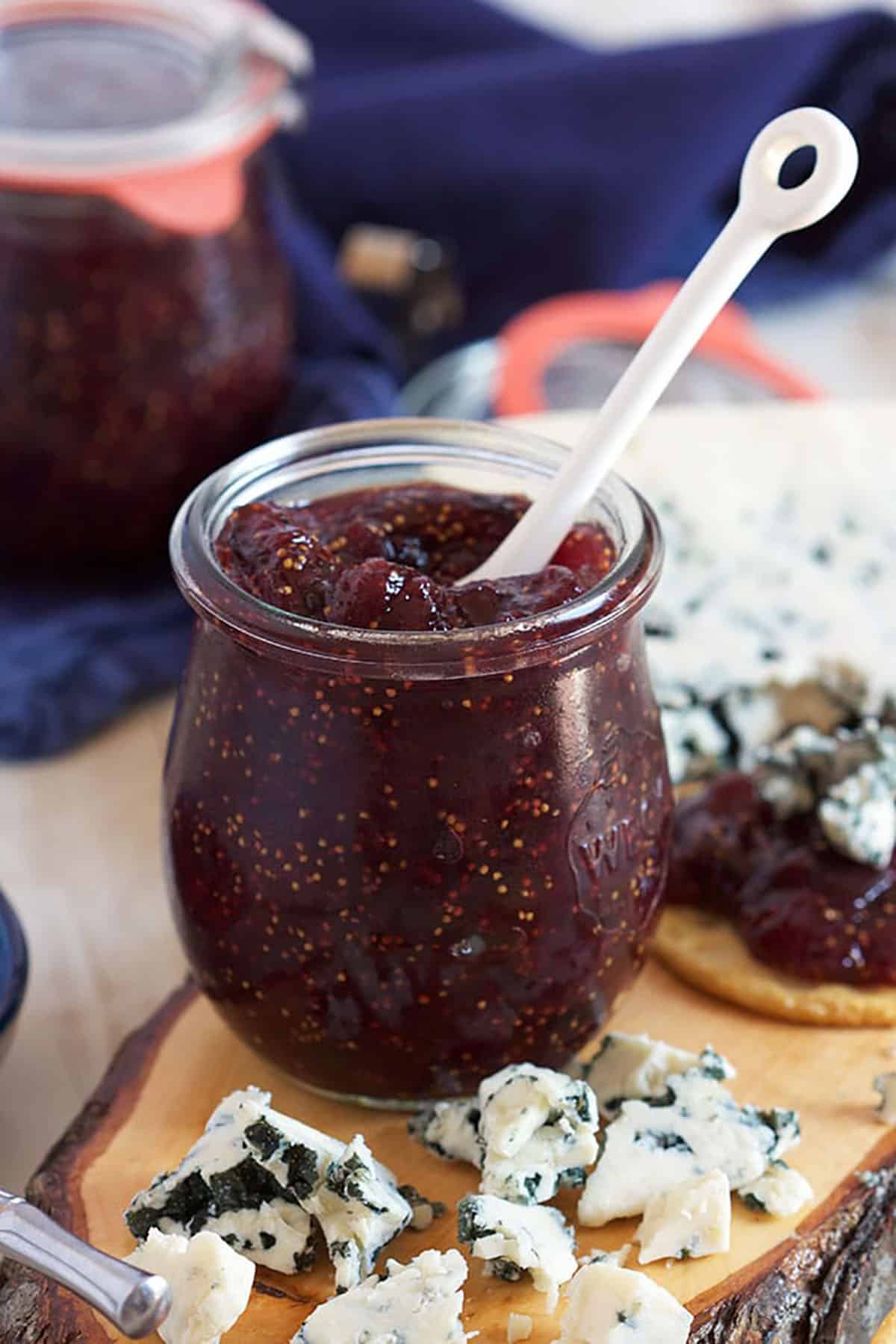
Table of Contents
- Kellie’s Note Spread the Love
- Ingredients for Fig Jam
- How To Make Fig Jam
- Kellie’s Tips for the Best Fig Jam
- How to Tell When Fig Jam Is Done
- How to Make Jam Without Pectin
- What are Figs
- Best Figs for Fig Jam
- How to Store Fig Jam
- Fig Jam Variations
- Serving Suggestions
- Fig Jam Recipe
- More Easy Jam and Spread Recipes
Thank you for the simple and tasty recipe! I made it with my 2 year old and we had it on some homemade bread for a snack.
– Dana S.
Kellie’s Note
Spread the Love

I’m obsessed with figs. I don’t know why….probably because they’re like a peach in that you only see a good one for a few weeks of the year before they become a mushy, mealy mess. They make me a little sad when they appear because it’s a sure sign that summer is almost over and the school buses will be making their rounds very soon.
But they also make me happy because, have you ever bitten into a fresh fig? They’re fantastically sweet with an interesting texture from the seeds that make some people shy away. I love the contrast, the crunchiness in my teeth. And they make blue cheese taste like dessert. Really. Especially when made into an Easy Fig Jam.
If you’re lucky enough to have a fig tree in your yard or a friend that will gift you some figs from their own tree, you’re lucky enough. And you should make this jam.

Ingredients for Fig Jam
- Fresh figs: Use ripe fresh figs that are soft but not mushy. Any variety works, including Black Mission, Brown Turkey, Kadota, or Calimyrna.
- Granulated sugar: Sweetens the jam and helps create a thick, glossy texture. Reducing the sugar too much can make the jam thinner.
- Lemon juice: Brightens the flavor and helps the jam thicken naturally without added pectin.
- Vanilla extract: Adds warmth and rounds out the sweetness of the figs.
- Water: Helps the figs soften and cook down evenly.
How To Make Fig Jam
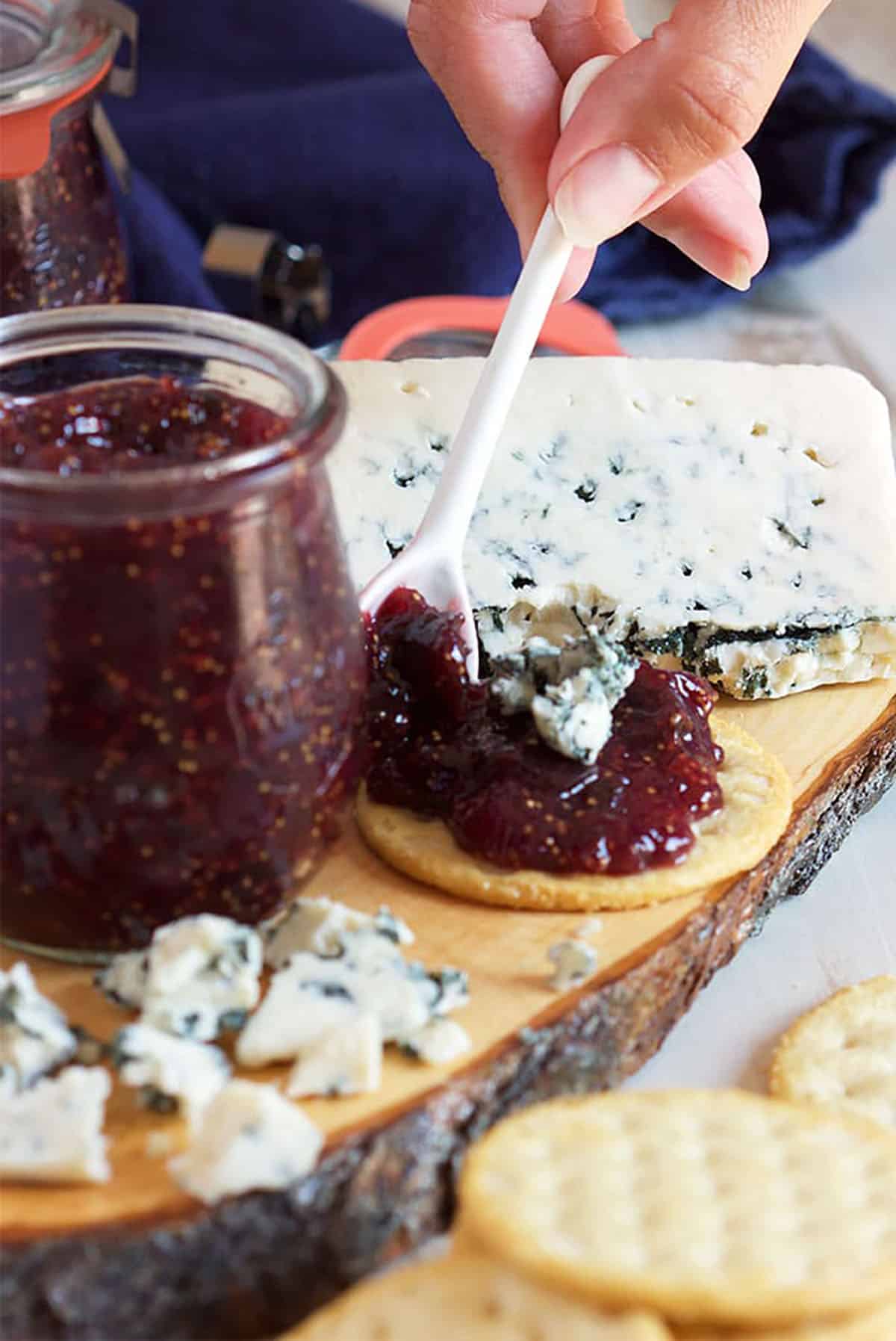
It’s incredibly easy to make with just a few simple ingredients and a bit of water. And you can stash it in the fridge for a few months….if it lasts that long.
- Prep the figs. Remove the stems and cut the figs into quarters.
- Combine the ingredients. Add the figs, sugar, lemon juice, and vanilla to a medium saucepan. Toss to coat.
- Cook the figs. Cook over medium heat, stirring often, until the sugar dissolves and the figs begin to release their juices.
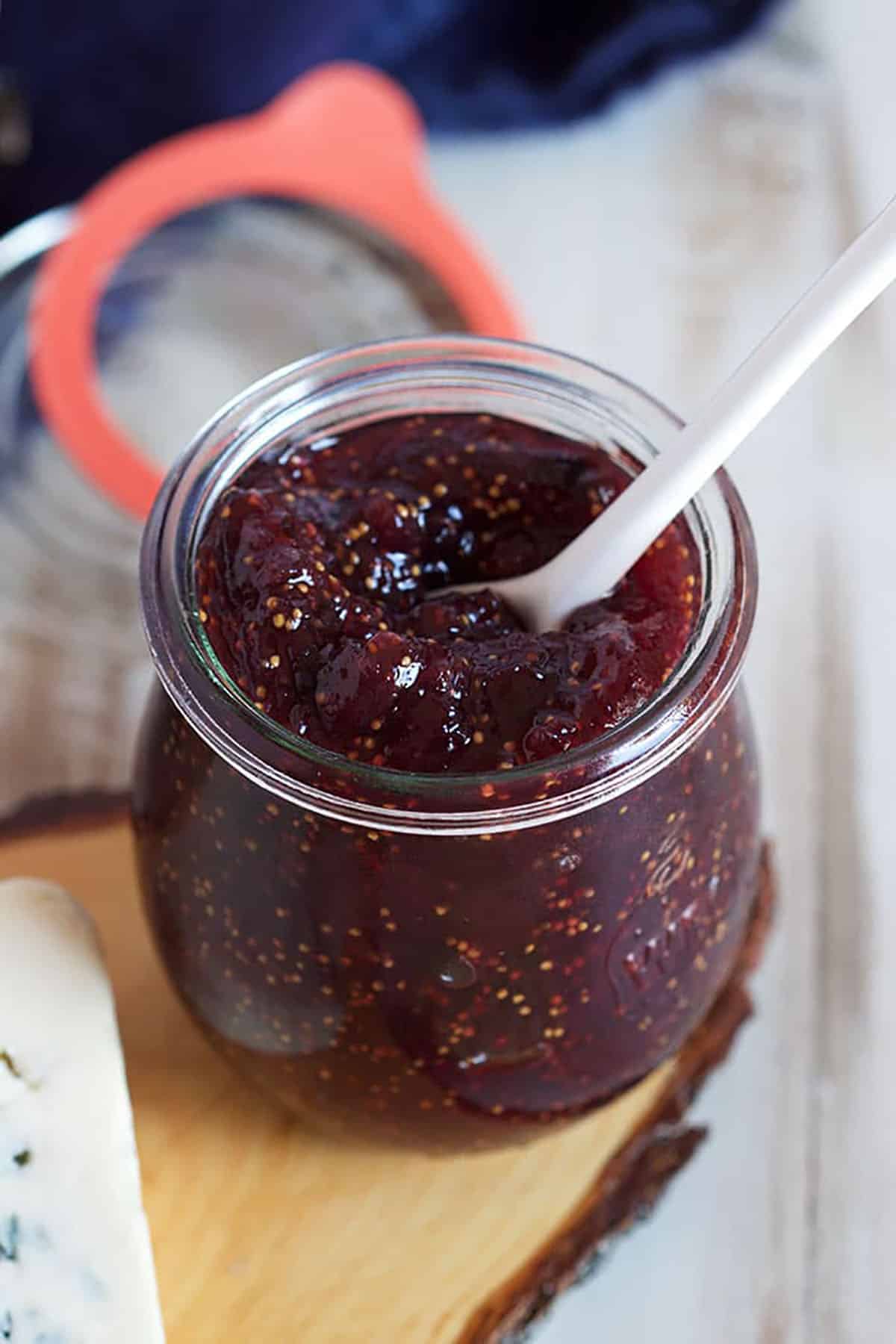
- Simmer. Reduce the heat to low, add the water, and simmer until the figs are soft and the mixture is thick, glossy, and jammy.
- Check for doneness. The jam is ready when it leaves a light trail across the bottom of the pan when stirred. It will continue to thicken as it cools.
- Store. Spoon the jam into clean jars, cool to room temperature, cover, and refrigerate.
Kellie’s Tips for the Best Fig Jam
- Use fresh, ripe figs, but avoid figs that are moldy, leaking, or overly mushy.
- Stir frequently so the sugar does not scorch on the bottom of the pan.
- Use a medium or wide saucepan to help moisture evaporate and the jam thicken.
- Don’t overcook the jam. It may look slightly loose while hot but will thicken as it cools.
- For a smoother jam, mash the figs with a potato masher while they simmer.
- For a chunkier jam, stir gently and leave some pieces of fig intact.
- Avoid reducing the sugar too much, or the jam may not thicken properly.
How to Tell When Fig Jam Is Done
Fig jam is done when the figs are very soft, the liquid has reduced, and the mixture looks thick and glossy. You should be able to drag a spoon or spatula through the jam and briefly see the bottom of the pan.
You can also use the chilled plate test. Place a small plate in the freezer while the jam cooks. Spoon a little jam onto the cold plate and let it sit for a minute. If it wrinkles slightly or holds its shape when pushed, it’s ready. If it runs back together quickly, simmer for a few more minutes and test again.
How to Make Jam Without Pectin
You don’t need added pectin to make this fig jam recipe. Figs contain natural pectin, and the lemon juice helps the jam thicken as it simmers.
The key is to let the figs cook down until the mixture becomes glossy, thick, and jammy. It will continue to set as it cools, so don’t worry if it looks a little looser while it’s still hot.
What are Figs
If you’ve never tried Fig Jam, you’re in for a lovely surprise. It’s not overly sweet and goes so well with both savory or dessert like recipes. It’s a staple on EVERY cheese board I make because it pairs perfectly with everything.
Figs are a soft, sweet fruit with a thin skin and contains many small seeds inside. There are more than 850 kinds fig trees and they grow in warmer climates. They can be eaten when ripe or when dried.
Figs are technically not a fruit, they’re actually inverted flowers. Fig trees don’t flower like other fruit trees. Their flowers bloom inside the pear-shaped pod, which later matures into the fruit we know and love.
Funny thing about figs, they spoil VERY quickly so you have to eat them all within a couple days or find something interesting to make with them like a skillet roasted chicken or Easy Fig Jam.
Best Figs for Fig Jam
Any fresh fig variety can be used for fig jam. Black Mission figs make a deep, dark jam with rich flavor, while Brown Turkey figs are mild and sweet. Kadota and Calimyrna figs are lighter in color and create a golden jam.
For the best texture, choose figs that are ripe and fragrant but not overly soft. Very ripe figs can still be used, but if all of your figs are mushy, the jam may turn out looser.
How to Store Fig Jam
- Store homemade fig jam in clean airtight jars or containers in the refrigerator for up to 2 months.
- To freeze fig jam, transfer it to freezer-safe containers, leaving a little space at the top for expansion. Freeze for up to 3 months. Thaw overnight in the refrigerator before using.
This recipe is written as a refrigerator or freezer jam. If you want to make shelf-stable fig jam, use a tested water bath canning recipe and follow proper canning safety guidelines.
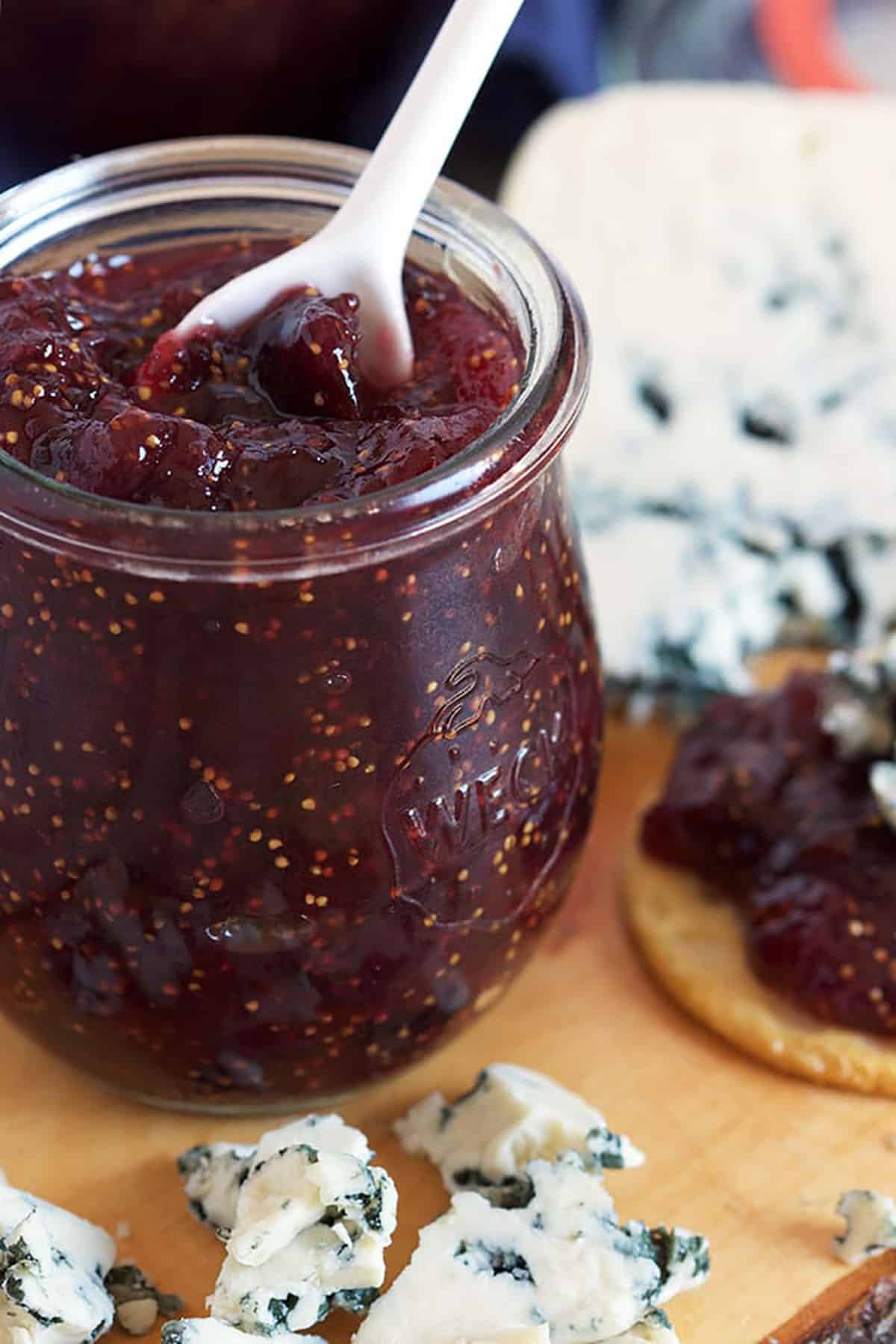
Fig Jam Variations
- Chunky fig jam: Cut the figs into larger pieces and avoid mashing while the jam cooks.
- Orange fig jam: Add a little orange zest with the lemon juice.
- Spiced fig jam: Add a cinnamon stick while the jam simmers, then remove it before storing.
- Honey fig jam: Replace a small amount of the sugar with honey for a deeper flavor.
- Port fig jam: Stir in a splash of ruby port near the end of cooking.
- Smooth fig jam: Mash the figs as they cook or pulse the cooled jam briefly for a smoother texture.
Serving Suggestions
Fig jam is sweet, rich, and perfect with both savory and sweet dishes. Try it:
- Spread on crostini with goat cheese and chopped nuts.
- Spooned over baked brie.
- Served on a cheese board with blue cheese, brie, cheddar, goat cheese, or manchego.
- Spread onto toast, biscuits, English muffins, or sourdough.
- Layered into a grilled cheese sandwich.
- Used as a burger topping.
- Warmed slightly and brushed over chicken, steak or pork.
- Stirred into yogurt or oatmeal.
- Whisked into salad dressing for a sweet-savory vinaigrette.
- Used as a filling for thumbprint cookies, pastries, or cakes.
DON’T MISS A RECIPE! FOLLOW US OVER ON INSTAGRAM AND FACEBOOK FOR MORE FAMILY FRIENDLY RECIPE IDEAS!
Fig Jam Recipe
Equipment
- 1 saucepan
- spatula
- chef's knife
- cutting board
- measuring cup
- measuring spoons
Ingredients
- 2 pounds fresh figs, cut in quarters and stems removed
- 1 cup granulated sugar
- juice of 1 lemon, , about 2 tablespoons
- 1 teaspoon vanilla extract
- 1/4 cup water
Instructions
- In a medium saucepan, toss the figs, sugar, lemon and vanilla to coat.
- Cook over medium heat stirring frequently until the sugar is dissolved and the figs are juicy.
- Turn the heat to low, add the water, and simmer for 20 minutes, stirring occasionally, until the fruit is soft and the juices are thickened and jammy.
- Turn off the heat and spoon the jam into two pint size jars.
- Close the jars and allow to cool to room temperature.
- Store the jam in the refrigerator for up to 2 months.
Notes
- The jam is done when the figs are soft and the mixture is thick, glossy, and jammy. It will continue to thicken as it cools.
- For a smoother jam, mash the figs with a potato masher while simmering.
- Store in clean airtight jars in the refrigerator for up to 2 months.
- Freeze in freezer-safe containers for up to 3 months. Leave space at the top of the container for expansion.
- This recipe is intended for refrigerator or freezer storage, not shelf-stable canning.
Nutrition
Nutrition information is automatically calculated, so should only be used as an approximation.
No, figs do not need to be peeled. The skins soften as they cook and help give the jam texture.
Yes. This fig jam recipe does not require added pectin. The figs, sugar, and lemon juice cook down into a naturally thick, jammy spread.
Fig jam may be runny if it was not cooked long enough, the figs were very watery or overripe, or the sugar was reduced too much. Simmer it a few minutes longer and test again using the chilled plate test.
The jam is done when it looks thick and glossy, the figs are soft, and a spoon leaves a brief trail across the bottom of the pan. You can also spoon a little onto a chilled plate; if it holds its shape after cooling, it’s ready.
This recipe is designed for fresh figs. Dried figs have much less moisture and would require a different amount of liquid and cooking time.
More Easy Jam and Spread Recipes
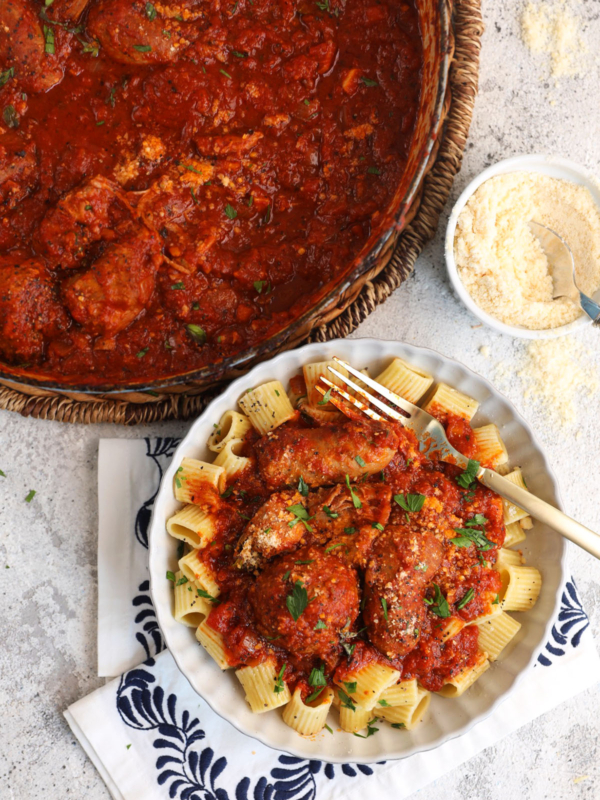
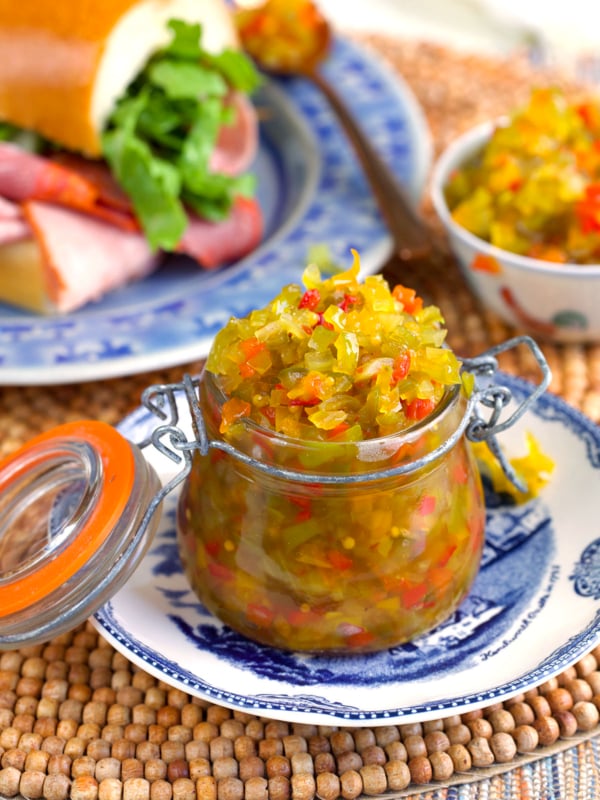
If you love this fig jam recipe, try these reader favorites next:










Thank you for sharing this easy and very good recipe. I added cardamom to mine.
I love that idea! I bet it tastes amazing. Thank you for the tip!
My figs didn’t cook down all the way so I used an immersion blender and ended up with a fig butter (like apple butter). It’s super yummy and not too sweet. I might have had more than two pounds of figs!
Sometimes the figs require a little more time to simmer so they break down fully. But the immersion blender works, too!
The fig jam recipe was absolutely delicious. I didn’t realize how easy it was to make jam. I added just a few spices cinnamon, cardamom, and cloves. Every time I make it I change it up not in pursuit of the perfect recipe but just a variation. Thank you so much
The spices you added sound divine and will definitely be giving that a try. thank you!
I didn’t want to lose my figs so I froze them. Can they be used in this recipe?
Yes! They will work well in this recipe. I’m jealous you have frozen figs. 🙂
Hi, I don’t know what I did wrong. There was so much liquid that I had to simmer over an hour to get it to reduce. Any tips?
Hi Janet, When in doubt, just simmer longer so the liquid evaporated. It does gel up when it cools and a good way to test it is to put a plate in the freezer for 15-20 minutes then put a drop of jam on the plate. If it gels on the plate, it is ready.
I have used this recipes for two years now. I live in Western PA and have 4 fig trees of different varieties. The Chicago Hardy is planted in the ground. We surround it with straw bales in the winter filled with leaves and it survives! This is the second year I have had enough figs to make jam. It is so yummy with goat cheese or cream cheese on buttery crackers. My family devours it!
By the way- this jam freezes very well and I have the taste of summer all winter!
I love this! And thank you for the tip on the type of tree you have because I want a fig tree but so scared I’ll kill it in the winter.
There is no need to put any sugar in fig jam. It is already super sweet.
Not all figs, sometimes if you cook them before they’re entirely ripe you will need the sugar. Also, jam is known to be sweet, so we add the sugar. If you want to try without, feel free to make it without the sugar but it may be a little more loose than this version.
I love this jam but found adding the water made it too thin. Any thickening suggestions?
You really need to let it cook down longer if you find the jam is too thin.
My next gubernatorial r gave me loads of figs. Very ripe berries t color of skin is green? The taste is great
Thank you so much!
Taste great. Made it twice. However definitely needed to cook longer than 20 minutes. My figs are really juicy so maybe should have skipped the water? Also mashed with potato masher after cooking for smaller pieces.
Thank you for your comment! I’m happy you liked it!