
This post may contain affiliate links. Please read our disclosure policy.
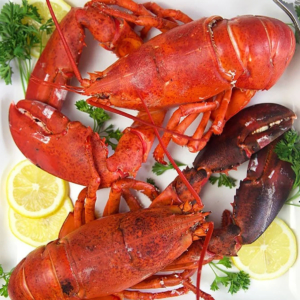
Learning how to cook lobster at home is easier than you think! Whether you prefer steamed or boiled lobster, all you need is a big pot, a little salt, and a few simple tips to make sweet, tender lobster that’s just as good as your favorite seafood restaurant.
I’ll show you both methods, how long to cook lobster based on its size, and how to tell when it’s perfectly done. Just add melted butter and lemon for an easy seafood dinner that feels extra special!
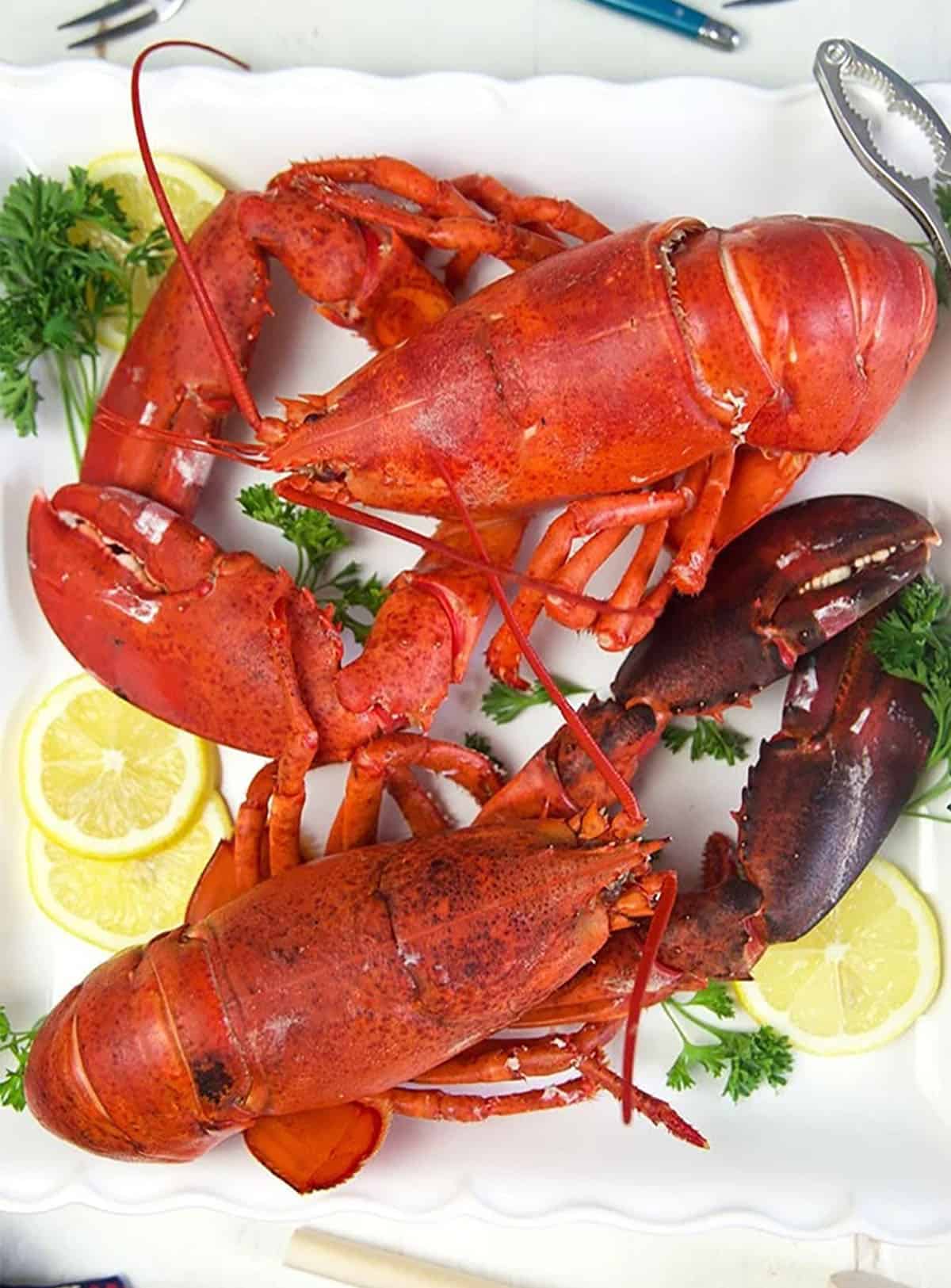
Table of Contents
- Kellie’s Note Shell Yeah!
- How Long to Cook Lobster
- Why You’ll Love This Lobster Recipe
- Ingredients for Cooking Lobster
- How to Cook Lobster
- Kellie’s Tips for Cooking Live Lobster
- Tips for Cooking live lobster
- How to Crack and Eat a Whole Lobster
- What to Serve with Lobster
- How to Store and Reheat Cooked Lobster
- Boiled Lobster Recipe
- Frequently Asked Questions
Kellie’s Note
Shell Yeah!

We love going out for a lobster dinner to one of our favorite seafood restaurants in the summer. There’s just something so exciting about tying on a lobster big and having a whole steamed Maine lobster served to you on the waterfront. It’s a very summer thing to do but it’s also very expensive. The next best thing is a Lobster Roll but I’d much rather skip the roll…and the mayo.
The mark up on whole lobster at restaurants is pretty astronomical and most people don’t realize it’s incredibly easy to make at home. And for half the price!
Most grocery stores sell live lobsters in their seafood department but if your store doesn’t sell it, there are sooo many other mail order lobster companies that will ship it to you overnight. It’s pretty readily available in most parts of the country these days so everyone can enjoy a homemade lobster dinner at home.

How Long to Cook Lobster
The cooking time depends on the size of your lobster and whether you’re boiling or steaming it. As a general guide, a 1½-pound lobster takes about 10–12 minutes to boil or about 14 minutes to steam.
Boiling is faster and works well when you’re making several lobsters at once. Steaming is my favorite method because the lobster stays out of the water, helping the meat stay sweet and tender.
Use the cooking times below as a guide and check that the meat is completely cooked before serving.
Cooking-time reference to place directly below the text:
| Lobster weight | Boiling | Steaming |
|---|---|---|
| 1 lb | 8–10 min | About 10 min |
| 1¼ lb | 9–10 min | About 12 min |
| 1½ lb | 10–12 min | About 14 min |
| 2 lb | 14–16 min | About 18 min |
| 2½ lb | 15–18 min | About 22 min |
| 3 lb | 18–22 min | 25–30 min |
Boiling is timed after the water returns to a boil; steaming begins when the lobsters are added to a pot already producing steam and the lid is replaced. Timing varies with shell type, pot size, and heat recovery. Check the actual meat for doneness.
Why You’ll Love This Lobster Recipe
- So much easier than you think. Cooking a whole lobster at home doesn’t require any special cooking skills.
- Simple ingredients. Fresh lobster, salted water, and a little melted butter are all you need.
- Perfect for special occasions. Enjoy a restaurant-worthy seafood dinner without the restaurant prices!
Ingredients for Cooking Lobster
You don’t need much to make a perfectly cooked lobster dinner!
- Live Lobster: Choose active lobsters weighing about 1¼ to 1½ pounds each. They’re a great size for individual servings.
- Kosher Salt: Used to season the cooking water and bring out the lobster’s naturally sweet flavor.
- Water: You’ll need just a few inches for steaming or enough to submerge the lobster for boiling.
- Butter: Melted butter is a must for dipping the tender lobster meat.
- Lemon: Fresh lemon wedges add a bright, citrusy finish.
Optional: Add fresh herbs or lemon slices to the cooking water for a little extra flavor.
How to Cook Lobster
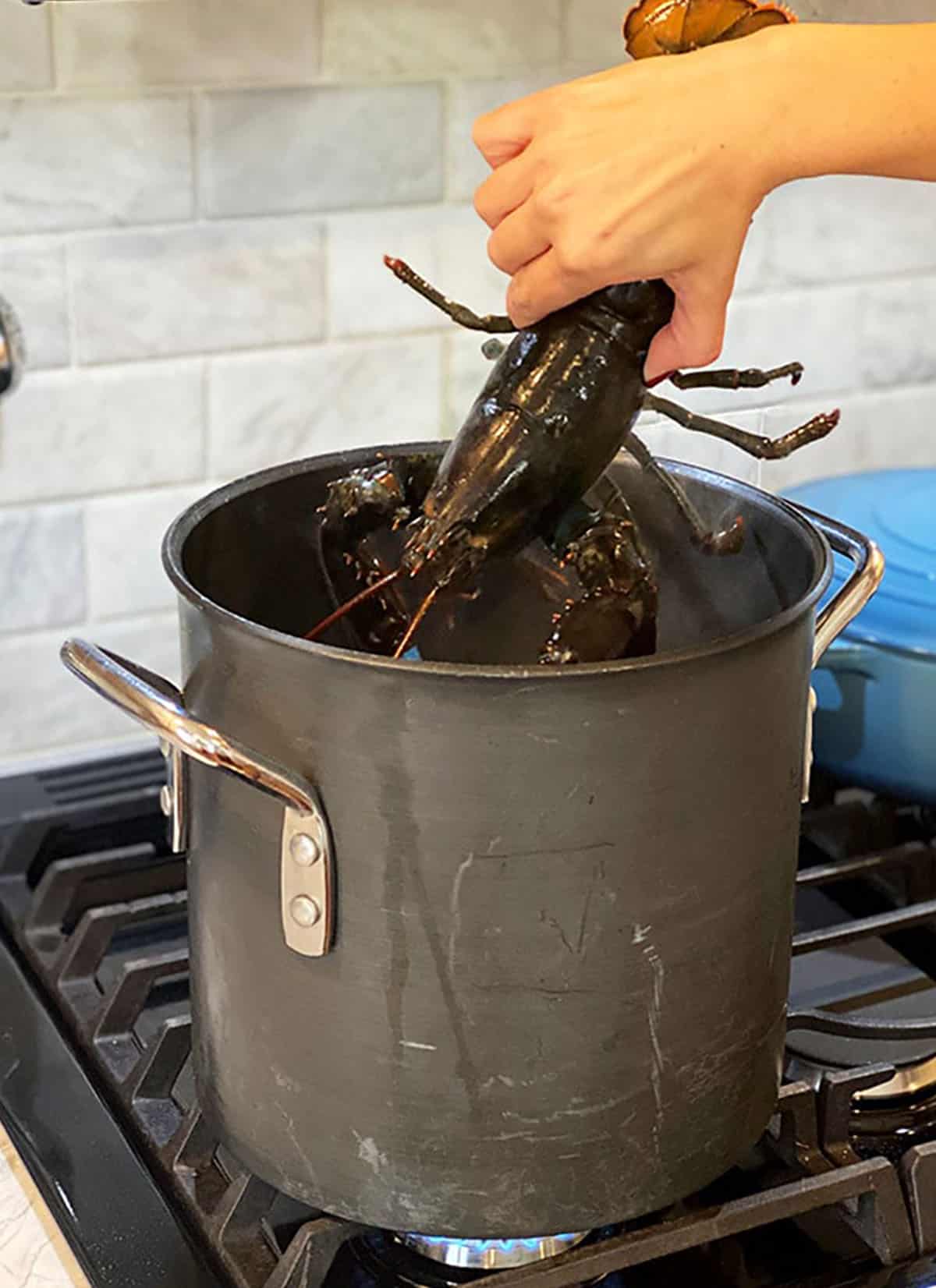
You can cook whole lobster by steaming or boiling it. Both methods are easy, but I prefer steaming because it helps keep the meat sweet and tender.
How to Steam Lobster
- Prepare the pot. Add about 2 inches of water to a large stockpot with a steamer rack or basket. Season with salt.
- Bring to a boil. Heat the water until it’s producing plenty of steam.
- Add the lobster. Carefully place the live lobsters in the steamer basket and cover tightly.
- Steam. Cook according to the size of your lobsters, using the steaming times above as a guide.
- Check for doneness. The meat should be firm, pearly white, and opaque. Check the thickest tail and claw meat with an instant-read thermometer.
- Serve. Carefully remove the lobsters with tongs and let them cool briefly before serving with melted butter and lemon.
How to Boil Lobster
- Prepare the pot. Fill a large stockpot with enough water to completely cover the lobsters, leaving room to prevent overflowing. Salt the water.
- Bring to a boil. Heat the water to a rolling boil.
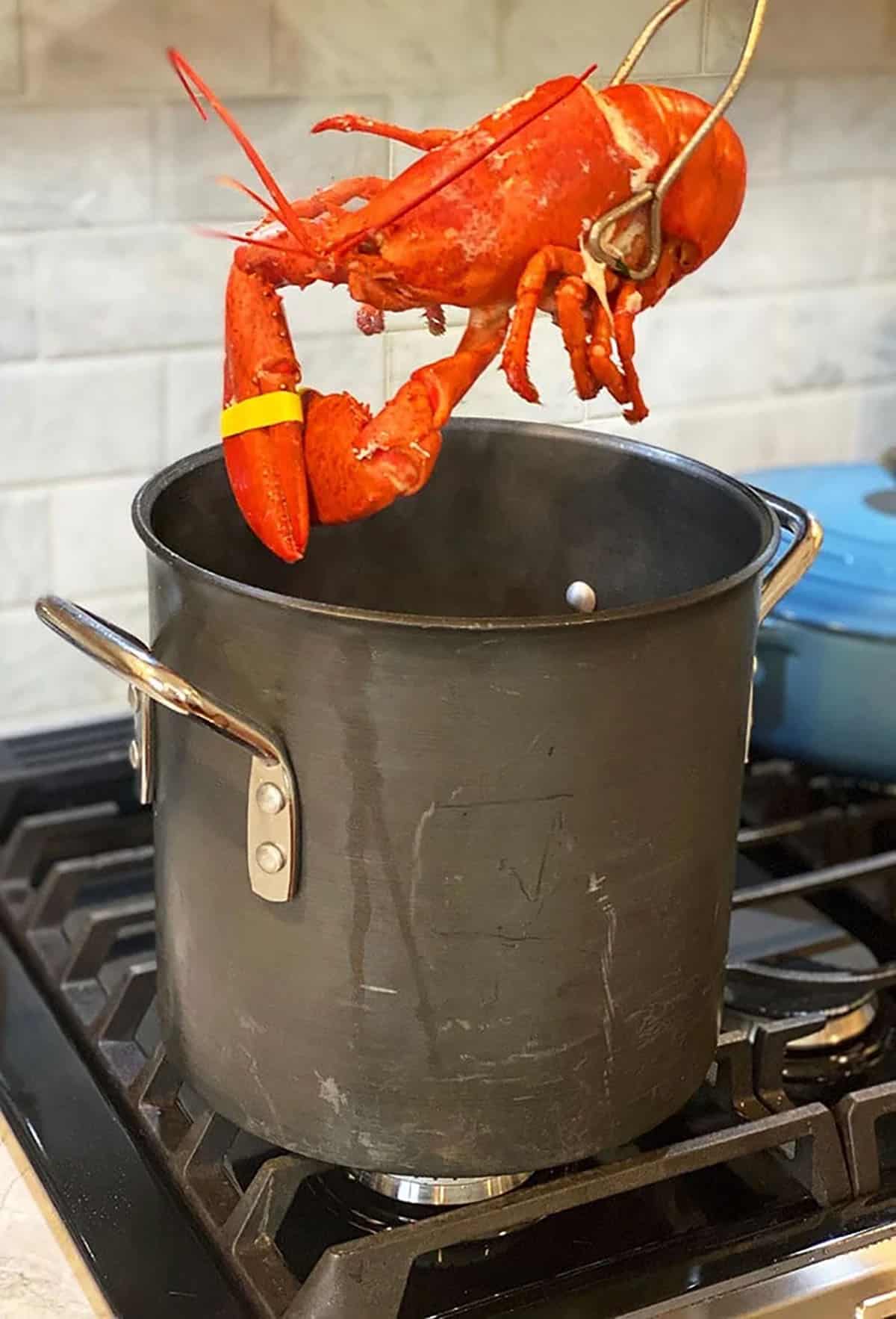
- Add the lobster. Carefully lower the live lobsters into the water headfirst and cover.
- Boil. Once the water returns to a boil, cook according to the lobster’s weight using the boiling times above.
- Check for doneness. The meat should be firm, pearly white, and opaque throughout.
- Serve. Remove the lobsters with tongs, drain, and let cool briefly before cracking and serving.
My Tip: Don’t rely on the bright red shell alone to tell you when lobster is cooked. The meat needs to be fully opaque, too. It’s a great start to amazing meals like this Lobster Thermidor that’s easy to make!
Kellie’s Tips for Cooking Live Lobster
- Choose the right pot. Make sure your stockpot is large enough to hold the lobsters without crowding. Cook in batches if necessary.
- Use the correct amount of water. Steaming requires just a little water below the steamer rack. Boiling requires enough water to submerge the lobster.
- Don’t overcook. Start checking for doneness near the end of the recommended cooking time. Overcooked lobster becomes rubbery.
- Check the meat. A red shell doesn’t necessarily mean the lobster is finished cooking. Look for firm, completely opaque lobster meat.
- Cook live lobster promptly. Buy your lobsters as close to cooking time as possible for the freshest flavor.
- Keep serving simple. Warm melted butter and fresh lemon wedges are really all you need!
How Much Meat is in a Live Lobster
A 1 1/2 pound lobster yields about 1 1/3 cups of lobster meat. It’s the perfect amount for one person or for using in a salad.
How to Buy and Store Live Lobster
When shopping for live lobster, look for lobsters that are active and responsive with intact claws and shells. I like choosing lobsters around 1½ pounds each because they’re a great size for serving one person.
Plan to cook your lobster the day you buy it whenever possible.
If you need to store live lobster for a short time, keep it in the refrigerator in a breathable container or sturdy paper bag with damp packing material. Don’t submerge lobster in fresh water or store it in an airtight container.
If a lobster dies before you’re ready to cook it, don’t use it. Buy your lobsters from a reputable seafood market and keep them cold until cooking time.
Tips for Cooking live lobster
Pick your pot – Be sure to pick a pot large enough to steam or boil your lobster. A 4-5 quart pot is perfect for 2 lobsters but a larger pot will be needed for up to 4 lobsters. It’s best to cook your lobster in batches if you don’t have a pot large enough to cook more than 2.
Steam or Boil – The choice is really up to you whether to steam or boil your lobster but with steaming there’s less chance of boil over or having a messy, waterlogged lobster.
Lobster – Pick a lively lobster with all limbs in tact and never cook a dead lobster since they can cause food borne illness. Live lobsters are brownish-greenish in color and don’t turn red until they’ve been cooked.
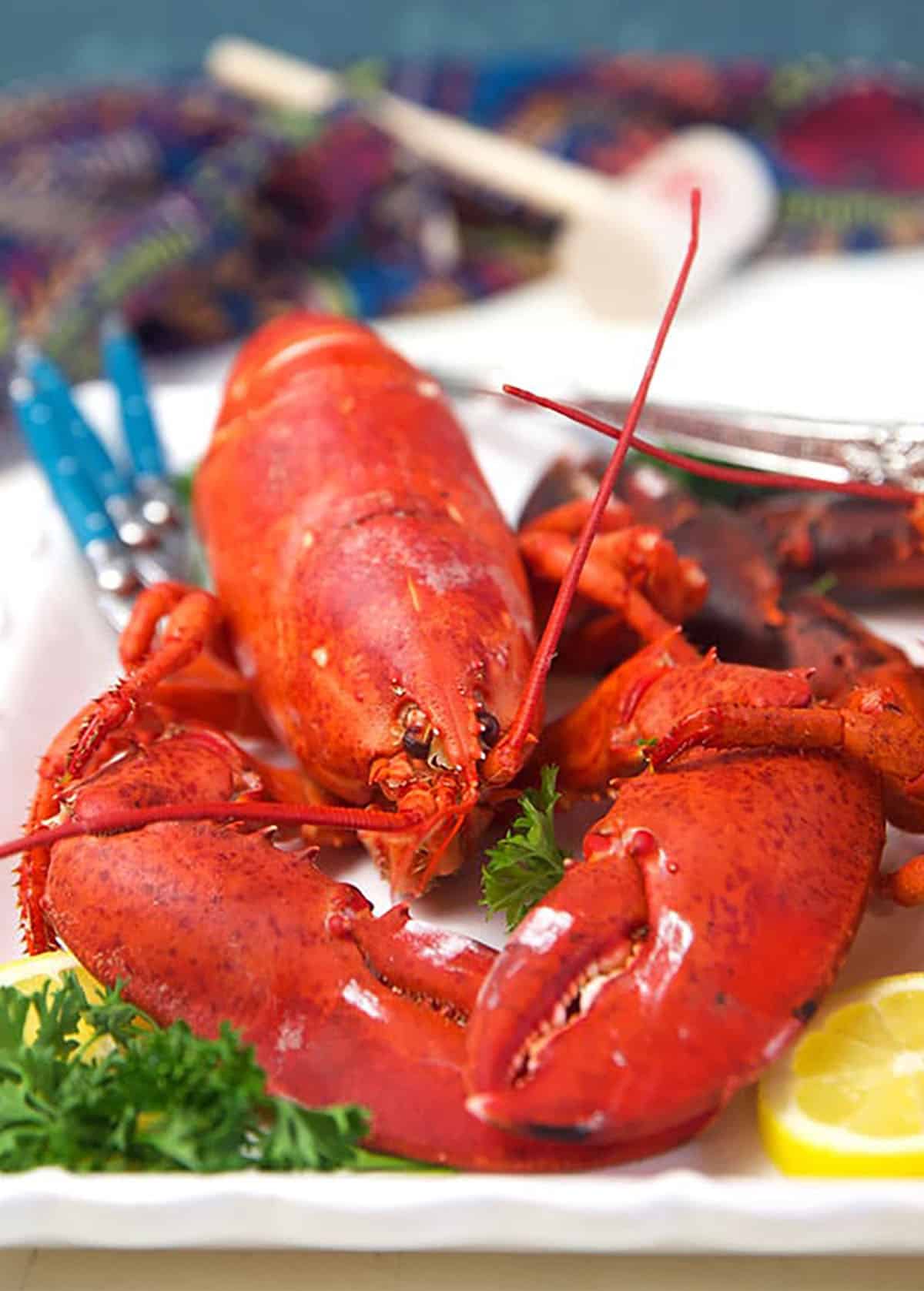
Serving – Serve your lobster with melted butter and lemon wedges. That’s all that’s needed for you to enjoy your sweet, tender lobster dinner.
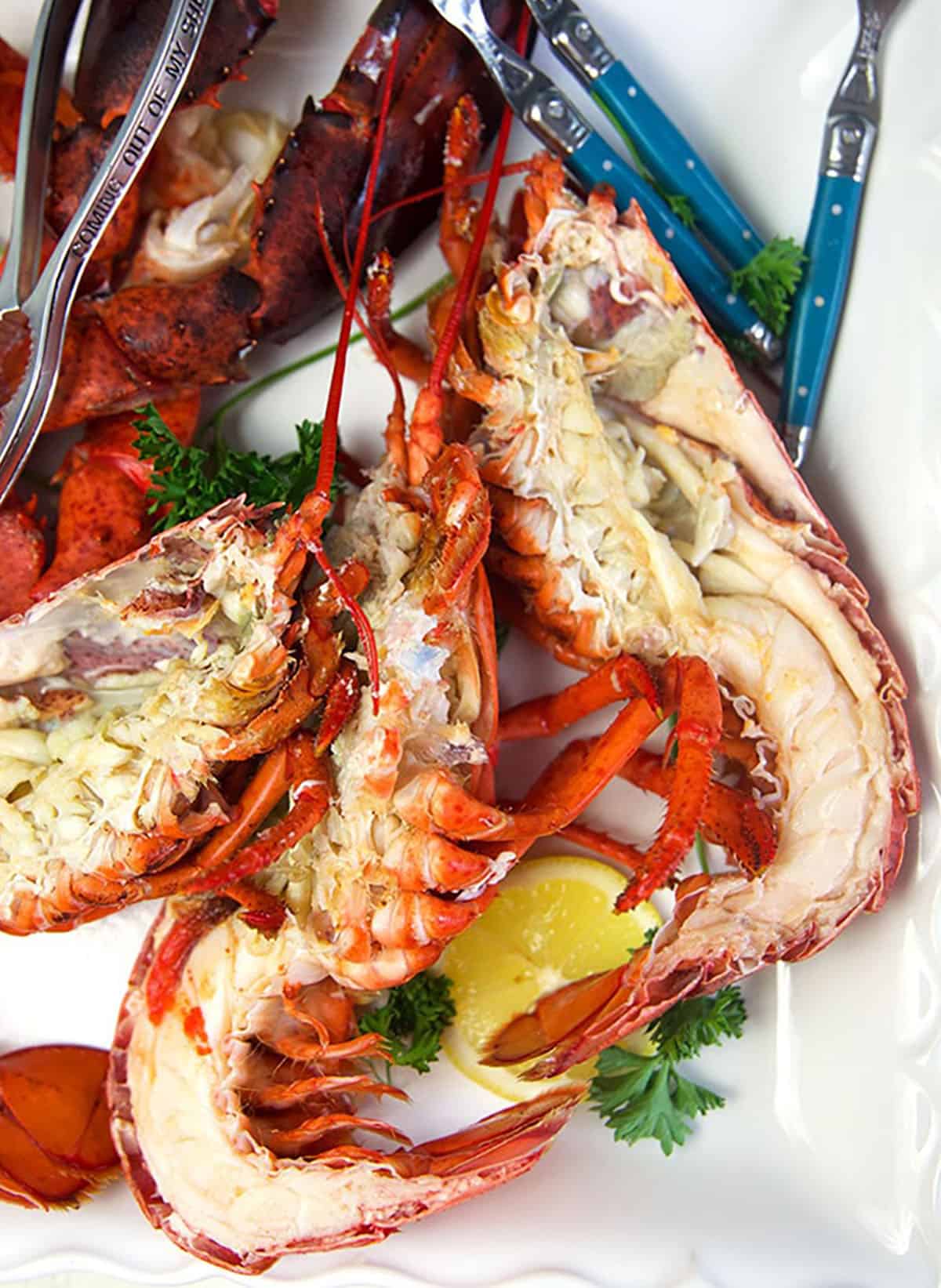
How to Crack and Eat a Whole Lobster
You’ve cooked your lobster, now comes the fun part! Eating a whole lobster can be a little messy, but that’s half the fun.
Let the lobster cool just enough to handle, then grab a lobster cracker, seafood fork, and plenty of napkins.
- Remove the claws. Twist the claws away from the body and separate them from the knuckles.
- Crack the shells. Use a lobster cracker to gently break the claw and knuckle shells, then pull out the meat.
- Remove the tail. Twist the tail away from the body and gently squeeze or cut along the underside with kitchen shears.
- Pull out the meat. Remove the tail meat in one piece if possible and discard the dark intestinal tract.
- Don’t forget the legs! There’s a little extra meat inside the smaller walking legs if you’re feeling ambitious.
Serve the lobster meat warm with melted butter and fresh lemon wedges. And keep an extra bowl nearby for all those shells!
What to Serve with Lobster
I like to keep things simple when serving whole lobster. With sweet, tender lobster and plenty of melted butter, you really don’t need much else!
Some of our favorite sides include:
- Wedge Salad: A fresh, crunchy salad is the perfect contrast to buttery lobster.
- Coleslaw: A classic seafood dinner side that’s easy to make ahead.
- Corn on the Cob: Add some sweet summer corn for a New England-style lobster dinner.
- Filet Mignon: Make it surf and turf for a special occasion.
Don’t forget the fresh lemon wedges, melted butter, and plenty of napkins!
How to Store and Reheat Cooked Lobster
- Refrigerator: Remove leftover lobster meat from the shell and store it in an airtight container in the refrigerator for up to 3–4 days.
- Freezer: Freeze cooked lobster meat in a freezer-safe container or bag, removing as much air as possible. For the best quality, use it within 2–3 months.
- Reheating: Lobster can turn rubbery when it’s overheated. Reheat gently in a covered skillet with a little butter and a splash of water over low heat until thoroughly heated.
- Make Ahead: If you’re preparing lobster for lobster rolls, salads, or other recipes, you can cook it ahead of time, remove the meat from the shells, and refrigerate it until needed.
More Easy Lobster Recipes
Looking for more easy lobster recipes? We love this crazy simple Lobster Tail recipe complete with video! Or you can grill lobster tail for a summer cookout.
This Lobster Mac and Cheese is a favorite for everyone who tries it and only takes about 30 minutes to make. And this Lobster Bisque is as creamy as it can get, so simple to whip up, too!
If you want something a little more decadent, then there’s nothing more elegant (or EASY) than Lobster Thermidor. And did I say it’s EASY to make!!!
Boiled Lobster Recipe
Equipment
- stockpot
Ingredients
- 2 live lobsters, approximately 1½ pounds each
- 2 tablespoons kosher salt, for the cooking water (adjust as needed for water volume)
- Water, for steaming or boiling
- Melted butter, for serving
- Lemon wedges, for serving
Instructions
To Steam the Lobster
- Add about 2 inches of water to a large stockpot fitted with a steamer rack or basket. Add the salt and bring to a boil.
- Carefully add the live lobsters to the steamer basket and cover tightly.
- Steam according to the size of the lobsters, approximately 14 minutes for 1½-pound lobsters, adjusting as needed.
- Check for doneness. The tail and claw meat should be firm, pearly white, and opaque throughout.
- Remove the lobsters with tongs and allow them to cool briefly. Serve with melted butter and lemon wedges.
To Boil the Lobster
- Fill a large stockpot with enough water to submerge the lobsters, leaving plenty of room to prevent overflowing. Salt the water and bring to a rolling boil.
- Carefully lower the live lobsters into the boiling water headfirst and cover.
- Once the water returns to a boil, cook for approximately 10–12 minutes for 1½-pound lobsters, adjusting for size.
- Check that the tail and claw meat is fully cooked, firm, and opaque.
- Remove the lobsters with tongs, drain, and cool briefly before serving with melted butter and lemon wedges.
Notes
- Lobster Size: I recommend 1¼–1½-pound live lobsters for individual servings. Larger lobsters require longer cooking times.
- Cooking Times: Boiling and steaming require different cooking times. Adjust based on the size of each lobster and check the meat for doneness before serving.
- Doneness: Cooked lobster meat should be firm, pearly white, and opaque. Don’t rely on the shell turning red alone.
- Pot Size: Use a large pot with enough space for the lobsters to cook without overcrowding. Cook in batches if necessary.
- Storage: Refrigerate leftover cooked lobster meat in an airtight container for up to 3–4 days.
- Freezing: Freeze cooked lobster meat in an airtight freezer-safe container for up to 2–3 months for best quality.
- Reheating: Reheat refrigerated leftovers thoroughly to 165°F. Use gentle heat and avoid prolonged cooking to help preserve the texture.
- Troubleshooting: If lobster meat becomes rubbery, it was likely overcooked. Check for doneness near the end of the recommended cooking time.
Nutrition
Nutrition information is automatically calculated, so should only be used as an approximation.
Frequently Asked Questions
Is it better to boil or steam lobster?
Both methods work well, but I prefer steaming lobster because the meat isn’t submerged in water, helping it stay sweet and tender. Boiling is a little faster and works especially well when you’re cooking multiple lobsters.
How long do you boil a 1½-pound lobster?
A 1½-pound lobster generally takes about 10–12 minutes to boil after the water returns to a rolling boil. Cooking time can vary, so always check that the meat is fully cooked before serving.
How do you know when lobster is fully cooked?
Cooked lobster meat should be firm, pearly white, and opaque throughout. The shell will turn bright red, but color alone isn’t a reliable indicator that the lobster is done. Check the thickest part of the tail and claws for doneness.
Can you cook frozen lobster?
Yes, but frozen lobster is often sold as tails or previously cooked meat rather than a whole live lobster. Follow the cooking instructions for the specific product. This recipe is designed for whole, live lobsters.
Can you cook lobster ahead of time?
Yes! You can cook lobster ahead of time and refrigerate the cooked meat for later use in lobster rolls, salads, or other recipes. Store it in an airtight container in the refrigerator for up to 3–4 days.
Can you freeze cooked lobster?
Yes. Remove the cooked meat from the shell and store it in a freezer-safe container or bag. Freeze for up to 2–3 months for the best quality. Thaw overnight in the refrigerator before using.
Can I double this lobster recipe?
Absolutely! Just be sure to use a pot large enough to hold the lobsters without overcrowding. You may need to cook them in batches. The cooking time is determined by the size of the individual lobsters, not simply how many are in the pot.
Why is my lobster meat rubbery?
Rubbery lobster meat is usually a sign of overcooking. Use the cooking times as a guide and check the meat near the end of the recommended cooking time. The meat should be fully cooked but still tender and juicy.











Such a great recipie
Thank you!