
This post may contain affiliate links. Please read our disclosure policy.
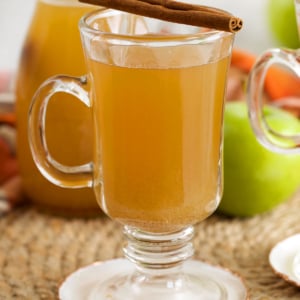
This homemade apple cider recipe is made with fresh apples, oranges, warm spices, and brown sugar, all slowly simmered until fragrant and flavorful. It makes approximately 8 cups and can be served warm, chilled, or with a splash of bourbon for a cozy fall drink.
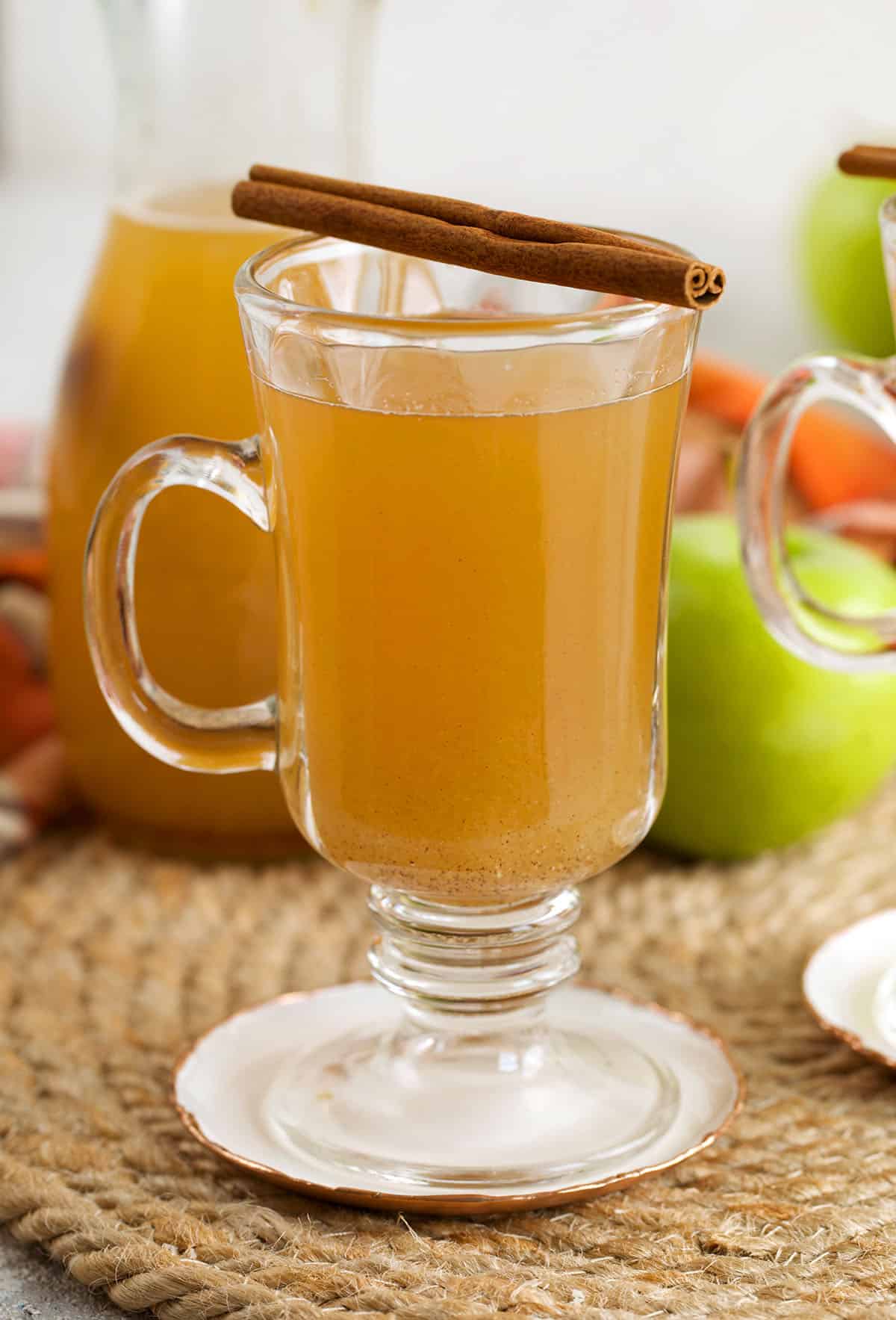
Table of Contents
- Kellie’s Note Sweet As Pie
- Ingredients for Apple Cider
- Best Apples for Apple Cider
- Apple Cider Ingredient Substitutions
- How to Make Apple Cider
- Kellie’s Tips for the Best Apple Cider
- What Is Apple Cider?
- Apple Cider Variations
- How to Serve Apple Cider
- How to Store, Freeze, and Reheat Apple Cider
- More Apple Cider Recipes
- Homemade Apple Cider Recipe
Kellie’s Note
Sweet As Pie

When fall rolls around, there’s nothing better than a warm mug of homemade apple cider. It’s cozy, fragrant, and surprisingly easy to make with fresh apples and a slow cooker.
This recipe combines sweet and tart apples with oranges, cinnamon, cloves, and allspice. The fruit cooks until completely soft, then gets mashed and strained to create a richly flavored cider you can sweeten to taste.
Serve it warm on a chilly afternoon, keep it hot in the slow cooker for a party, or chill it for a refreshing fall drink. You can also add bourbon, rum, or brandy to individual servings.
Homemade apple cider is also a great drink for parties! You can make a big batch and let your guests serve themselves with garnishes or boozy mix-ins. (Ahem: Apple Cider Mimosa)
We also love adding it to so many recipes like braised pork, chicken, or even baked goods. (Hello, Apple Cider Donuts!)

Ingredients for Apple Cider
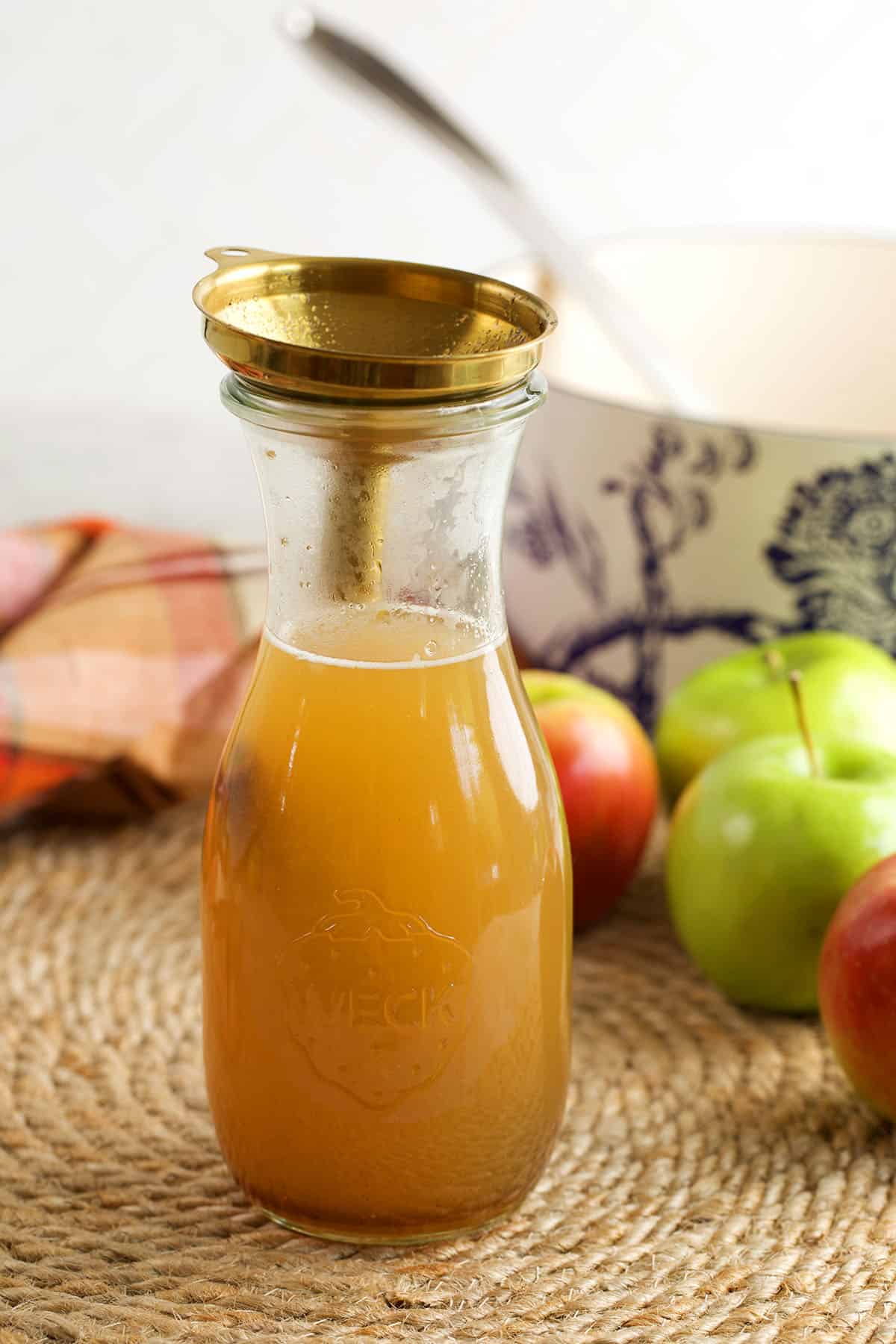
Here’s what you’ll need. The complete measurements are in the recipe card below.
- Apples: Use a mix of sweet and tart apples. Honeycrisp and Granny Smith are a dependable combination.
- Oranges: Add fresh citrus flavor. Peel them for a smoother, less bitter cider.
- Cinnamon sticks: Infuse the cider with warm spice without making it cloudy.
- Whole cloves: Add a strong, aromatic flavor, so measure carefully.
- Ground allspice: Adds extra warmth and complexity.
- Water: Use filtered water if your tap water has a noticeable flavor.
- Brown sugar: Sweetens the cider and adds subtle caramel flavor. Stir it in after straining so you can adjust the sweetness.
Best Apples for Apple Cider
For the most balanced flavor, combine at least one sweet apple with one tart apple.
- Sweet apples: Honeycrisp, Fuji, Gala, Pink Lady, or Golden Delicious
- Tart apples: Granny Smith, Braeburn, Cortland, Jonathan, or McIntosh
Sweet apples give the cider natural sweetness and body, while tart apples keep it bright and balanced. Slightly imperfect apples are fine, but discard any with mold and trim away badly bruised areas.
Apple Cider Ingredient Substitutions
- Brown sugar: Replace it with maple syrup, honey, granulated sugar, or coconut sugar.
- Whole cloves: Ground cloves may be used, but they can make the cider cloudy. Begin with a small amount.
- Allspice: Substitute a small pinch of nutmeg or add star anise for a different spice profile.
- Oranges: Use mandarins for a sweeter citrus flavor or omit the citrus entirely.
- Filtered water: Regular tap water is fine as long as it has a neutral taste.
Add sweetener after straining whenever possible. This makes it easier to adjust the finished cider without making it overly sweet.
How to Make Apple Cider
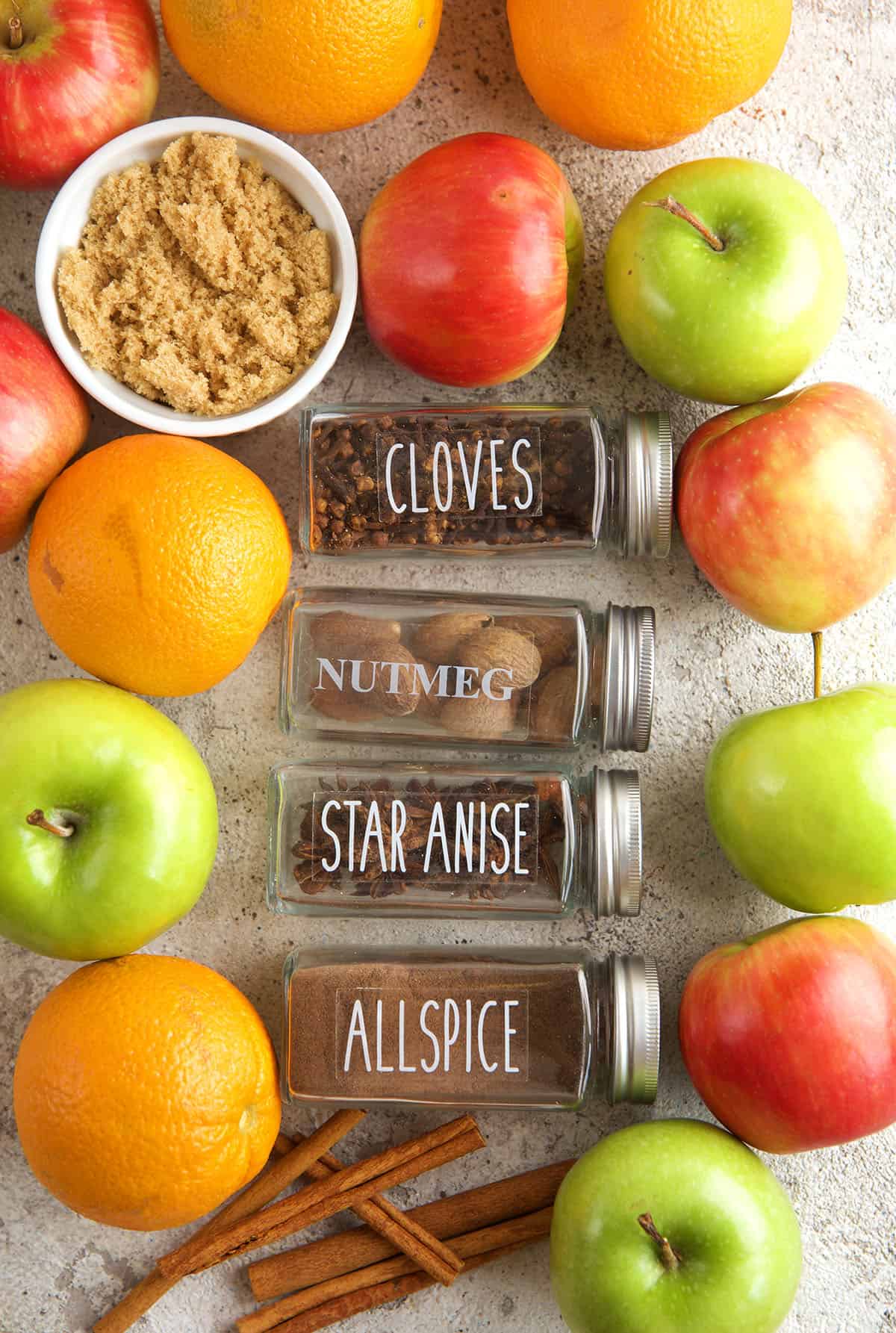
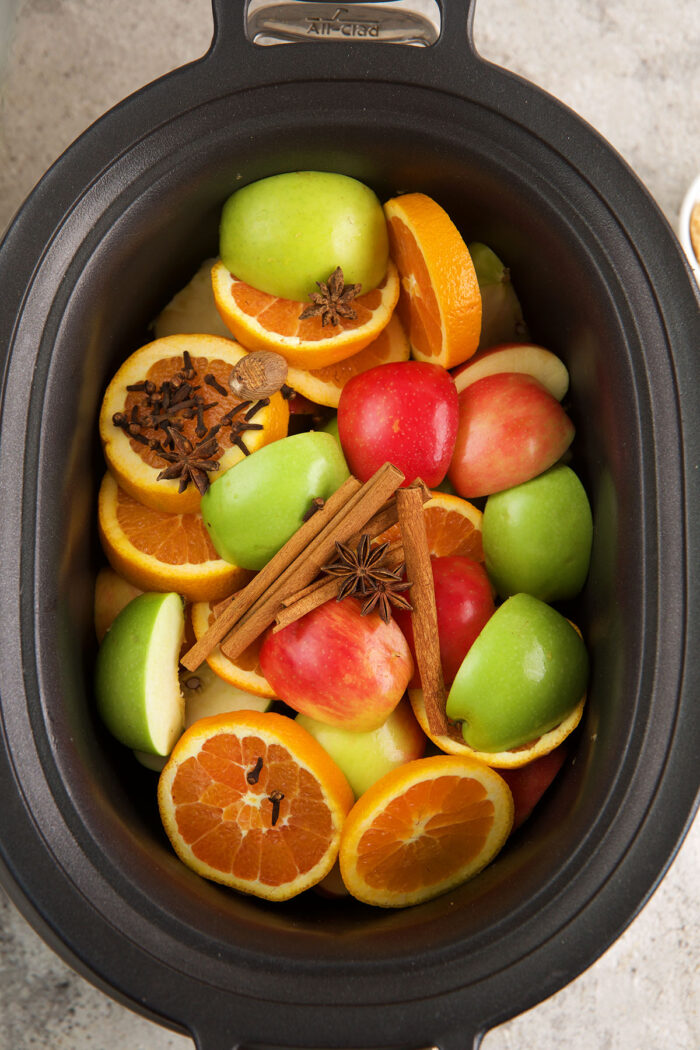
- Prepare the fruit. Wash and quarter the apples. Quarter the oranges and peel them if you prefer a less bitter cider.
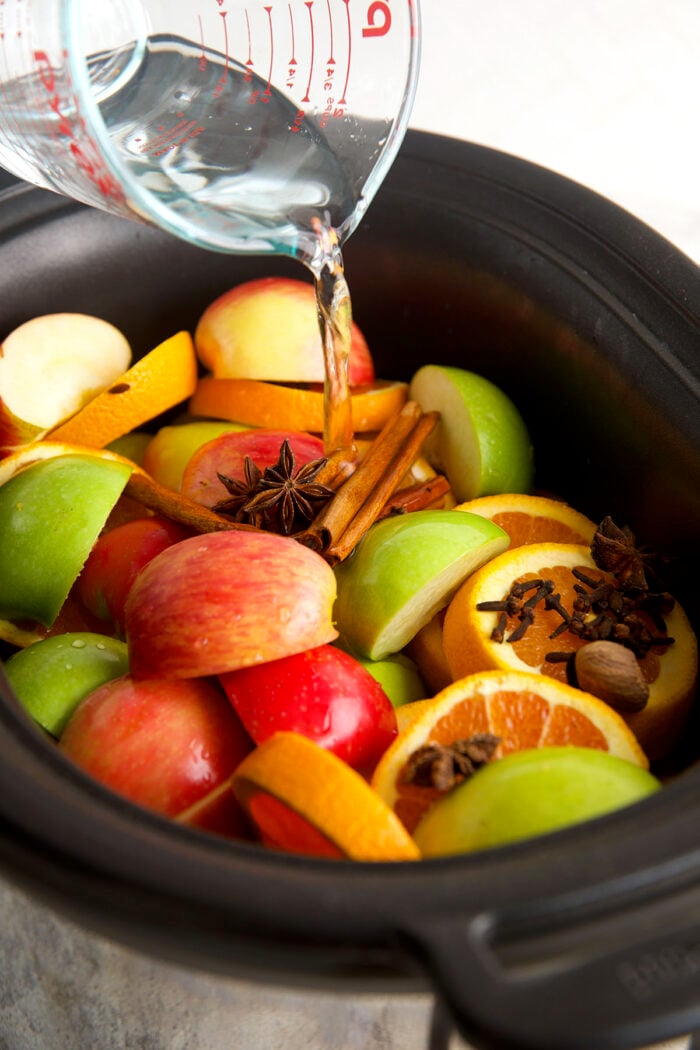
- Fill the slow cooker. Add the apples, oranges, cinnamon sticks, cloves, and allspice. Pour in 6 cups of water, adding up to 1 additional cup if needed.
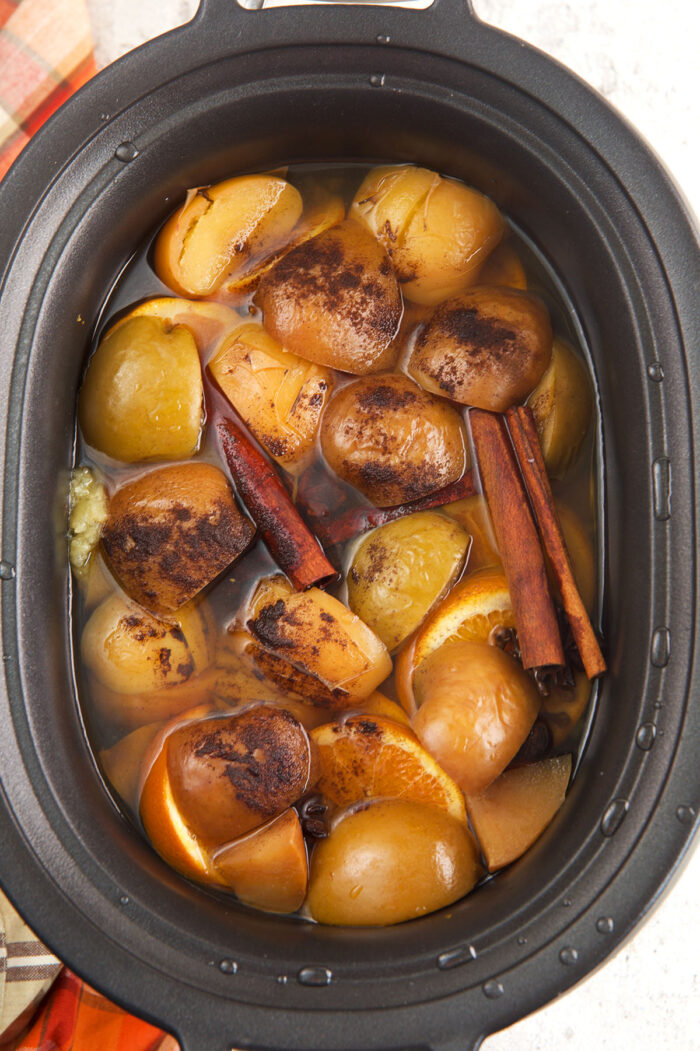
- Cook until soft. Cover and cook on HIGH for 4 hours or LOW for 6–7 hours. The fruit should be extremely soft and collapse easily when pressed.
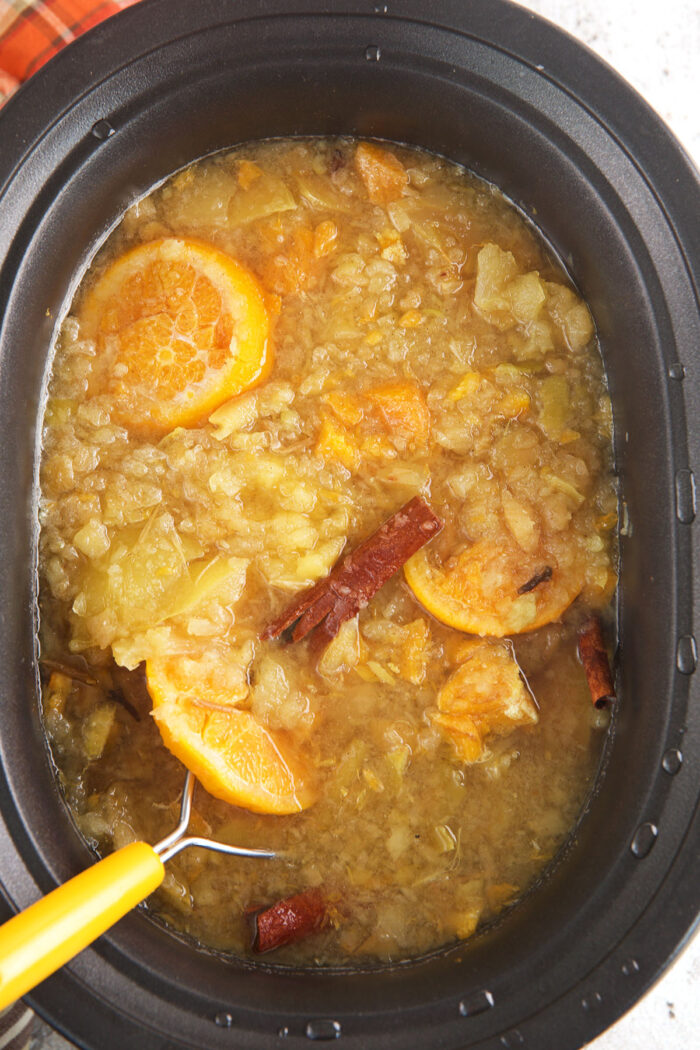
- Mash the fruit. Mash everything thoroughly with a potato masher.
- Cook for 1 more hour. Continue cooking uncovered on the same setting for 1 additional hour.
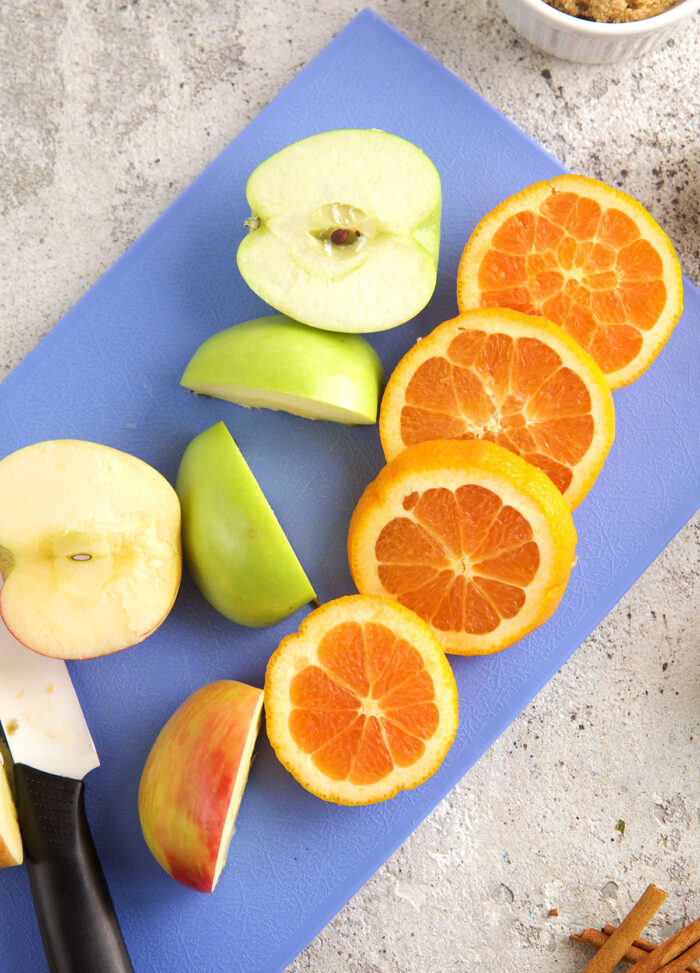
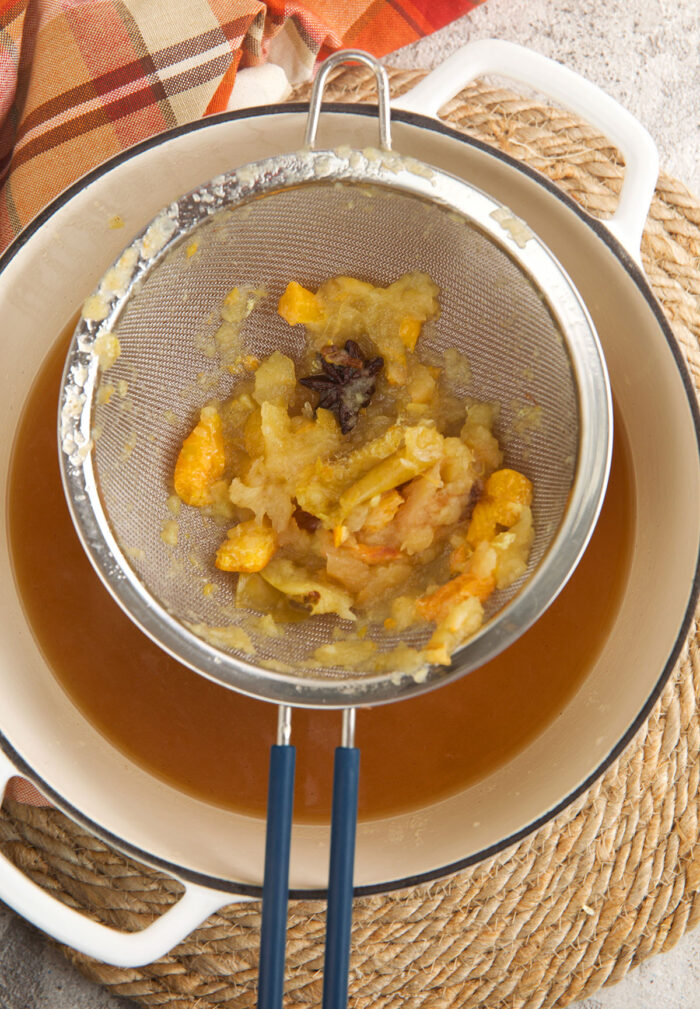
- Strain and sweeten. Strain through a fine-mesh sieve lined with cheesecloth. Stir in the brown sugar, taste, and adjust the sweetness before serving.
Kellie’s Tips for the Best Apple Cider
- Use more than one apple variety. Mixing sweet and tart apples creates a more complex, balanced flavor.
- Peel the oranges for less bitterness. Orange peel adds flavor, but it can become bitter during a long cooking time.
- Do not overfill the slow cooker. Leave space at the top so the mixture can cook safely without bubbling over.
- Cook until the fruit is very soft. The apples should collapse easily before you mash them.
- Mash thoroughly. Breaking down the fruit releases more apple flavor into the liquid.
- Strain in batches. Ladle the solids into the strainer first, press gently, and then strain the remaining liquid.
- Strain twice for clearer cider. Use a fine-mesh sieve first, followed by cheesecloth.
- Sweeten after straining. Apples vary in sweetness, so taste the cider before adding extra sugar.
What Is Apple Cider?
Apple cider is the cloudy, minimally filtered juice of fresh apples. It usually contains more apple pulp and sediment than clear apple juice, giving it a fuller apple flavor and slightly thicker texture.
Apple juice is generally filtered more thoroughly and heat-treated to make it shelf-stable. Fermentation is a separate process that turns fresh apple cider into alcoholic hard cider.
This homemade version uses slow-cooked apples rather than a fruit press. Cooking and mashing the fruit extracts its juice and flavor while the spices create that signature cozy fall taste.
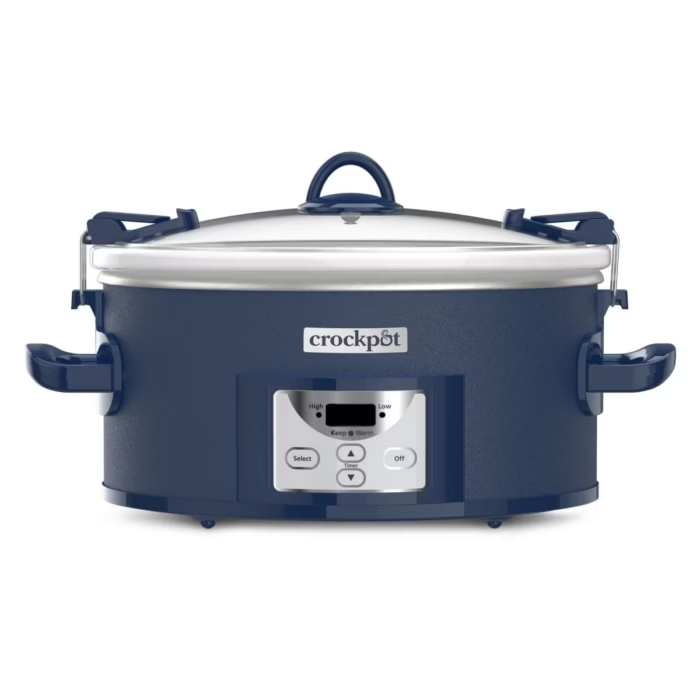
We love this programmable slow cooker with auto warm setting by CrockPot! It’s a great way to make dinners easy and keep them warm until you’re ready to eat. We pull this one out at least once a week and the price can’t be beat!
Apple Cider Variations
- Vanilla apple cider: Stir in 1 teaspoon of vanilla extract after straining.
- Ginger apple cider: Add several slices of fresh ginger before cooking.
- Cranberry apple cider: Add 1 cup of fresh or frozen cranberries for tart flavor and color.
- Chai-spiced cider: Add star anise, cardamom pods, or a chai tea bag during the final hour.
- Caramel apple cider: Stir caramel sauce into individual mugs and top with whipped cream.
- Sparkling apple cider: Chill the cider and top each glass with sparkling water or club soda.
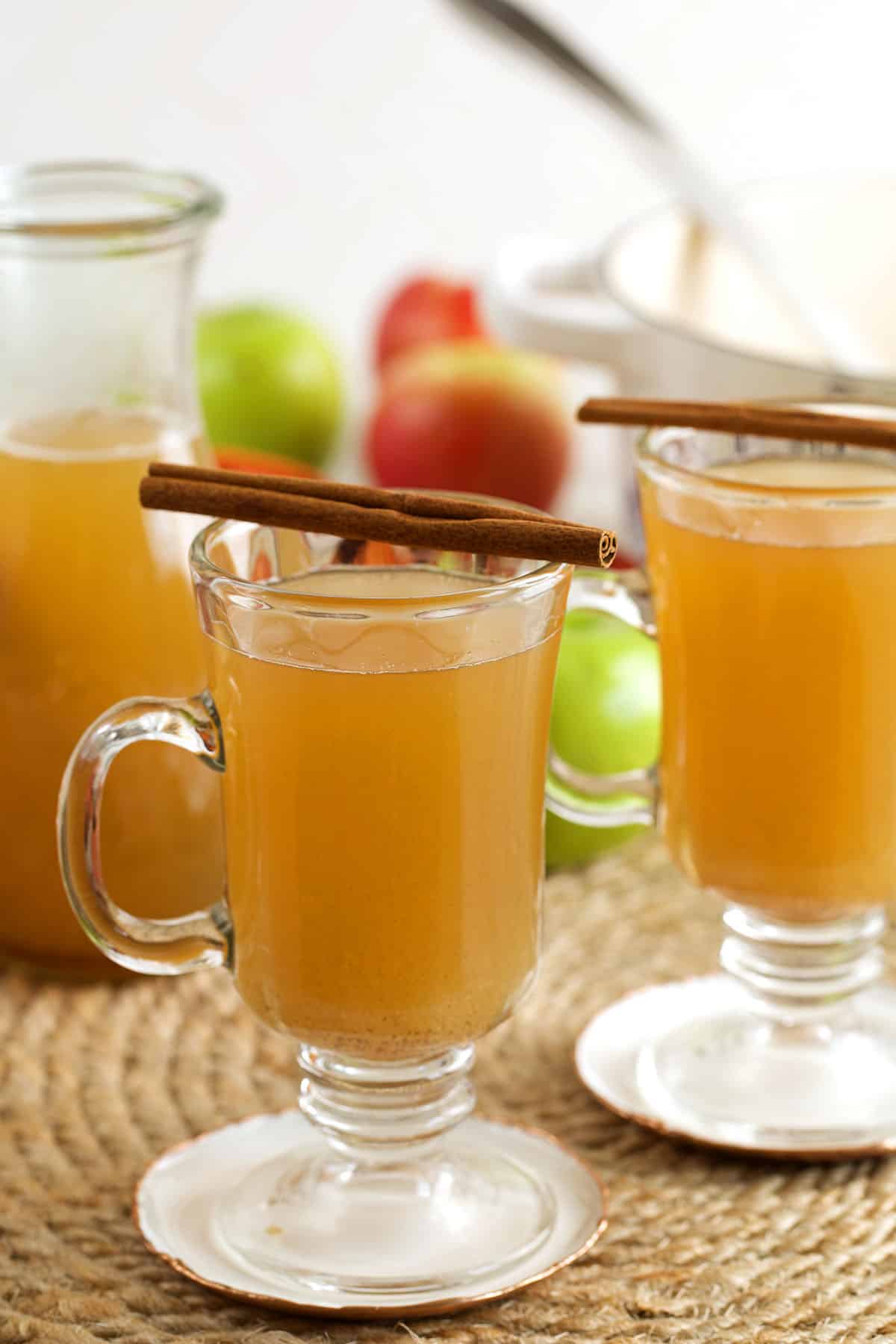
- Bourbon apple cider: Stir bourbon, dark rum, whiskey, or brandy into individual servings.
How to Serve Apple Cider
Serve homemade apple cider warm in mugs with:
- Thin apple slices
- Fresh orange slices
- Cinnamon sticks
- Star anise
- Whipped cream
- A drizzle of caramel sauce
For a cold version, refrigerate the cider until chilled and serve it over ice or top it with sparkling water.
For parties, keep the cider warm in the slow cooker and arrange garnishes, mugs, and optional spirits nearby so guests can customize their drinks. For the adults, you can also use homemade cider to make my easy Mulled Wine Recipe.
It pairs especially well with apple cider donuts, pumpkin bread, snickerdoodles, breakfast casseroles, and other fall desserts.
How to Store, Freeze, and Reheat Apple Cider
- Refrigerate: Let the cider cool completely, then transfer it to an airtight container. Refrigerate for up to 5–7 days.
- Freeze: Pour cooled cider into freezer-safe containers, leaving room at the top for expansion. Freeze for up to 3 months.
- Thaw: Thaw frozen cider overnight in the refrigerator.
- Reheat: Warm it gently in a saucepan over medium-low heat or in the slow cooker on WARM. Heat until steaming, but avoid a hard boil.
- Serve cold: Homemade cider can also be served directly from the refrigerator over ice.
More Apple Cider Recipes
Put your homemade cider to use in these cozy fall recipes:
- Apple Cider Sangria
- Apple Pie Moonshine
- Stuffed Pork Chops
- Apple Cider Margarita
- Apple Cider Brined Pork Chops with Apples and Bacon
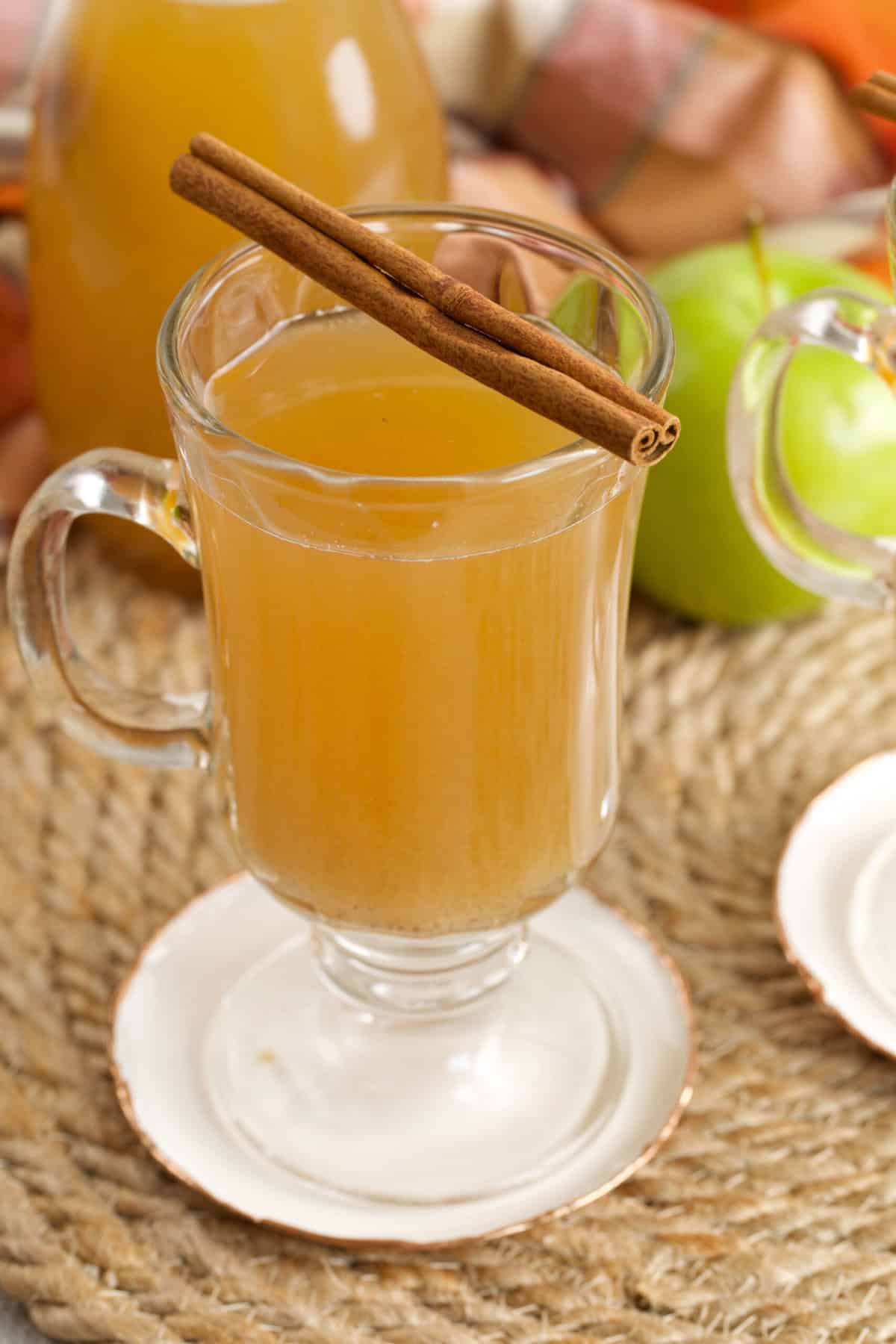
Apple cider is the best fall beverage around! I’ll be serving my Slow Cooker Apple Cider for my fall parties and mixing it into this Apple Cider Gin Fizz. It’s fantastic in these Pulled Pork Sliders and in these completely addictive blondies!
For more cozy fall recipes, follow us on Instagram and Facebook!
Homemade Apple Cider Recipe
Equipment
- Large slow cooker, 6-quart or larger
- potato masher
- fine mesh sieve
- cheesecloth
- Large heatproof bowl or pitcher
Ingredients
- 5 pounds apples, washed, cored, and quartered
- 3 oranges, quartered and peeled if desired
- 4 cinnamon sticks
- 1 tablespoon whole cloves
- 1 teaspoon ground allspice
- 6 cups water
- 1/4 cup packed brown sugar, plus more to taste
Instructions
- Prepare the fruit. Wash, core, and quarter the apples. Quarter the oranges, peeling them first if you prefer a less bitter cider.
- Fill the slow cooker. Place the apples, oranges, cinnamon sticks, cloves, and allspice in a large slow cooker.
- Add the water. Pour in 6 cups of water. Add up to 1 additional cup if needed to mostly cover the fruit without filling the slow cooker above its recommended capacity.
- Cook. Cover and cook on HIGH for 4 hours or LOW for 6–7 hours. The fruit should be extremely soft and collapse easily when pressed.
- Mash. Mash the fruit thoroughly with a potato masher. Continue cooking uncovered on the same setting for 1 additional hour.
- Strain. Place a fine-mesh sieve lined with cheesecloth over a large heatproof bowl. Ladle the fruit and liquid into the sieve in batches, gently pressing the solids to extract the cider. Discard the solids.
- Sweeten. Return the strained cider to the slow cooker. Stir in the brown sugar until dissolved. Taste and add more sweetener if needed.
- Serve. Serve warm, or cool completely and refrigerate in an airtight container.
Notes
- Best apples: Combine a sweet apple such as Honeycrisp, Gala, or Fuji with a tart apple such as Granny Smith, Braeburn, or Cortland.
- Orange peel: Leave the peel on for stronger citrus flavor. Remove it for a smoother, less bitter cider.
- Sweetener: Maple syrup, honey, or granulated sugar may replace the brown sugar. Sweeten the strained cider to taste.
- Clearer cider: Strain the cider a second time through fresh cheesecloth.
- Storage: Cool completely and refrigerate in an airtight container for up to 5–7 days.
- Freezing: Freeze in freezer-safe containers for up to 3 months. Leave room for expansion and thaw overnight in the refrigerator.
- Reheating: Warm gently on the stovetop or in the slow cooker on WARM. Do not bring it to a hard boil.
- Make ahead: Prepare the cider 1–2 days before serving and refrigerate until needed.
- Doubling: Use two slow cookers rather than overfilling one appliance.
Nutrition
Nutrition information is automatically calculated, so should only be used as an approximation.











Can this apple cider be used in cooking and baking recipes?
Yes! We use it in just about everything that calls for apple cider.
I bet the house will smell wonderful as this cider is cooking. Love the smells of Fall.
This is the perfect fall drink! The aroma while cooking is amazing I’m sure!
This looks wonderful, what a delicious beverage for a chilly day! I bet it makes the house smell amazing!
Oh my heavens – the aroma of this cooking would make me swoon! Loving this slow cooker version – I love apple cider but never tried making it – so thanks so much for this recipe!