
This post may contain affiliate links. Please read our disclosure policy.
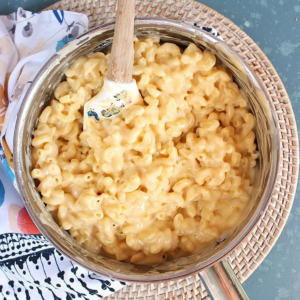
This Stovetop Mac and Cheese is my favorite way to make homemade macaroni and cheese without spending forever in the kitchen. It’s rich, creamy, loaded with real cheddar cheese, and ready in about 15 minutes. No oven, no powdered cheese, and no complicated ingredients. Just a ridiculously easy comfort food recipe that’s even better than the blue box.

Table of Contents
- Kellie’s Note Better Than The Blue Box
- Why You’ll Love My Stovetop Mac and Cheese
- Ingredients for Stovetop Mac and Cheese
- How to Make Stovetop Mac and Cheese
- Can you Make mac and Cheese in One Pot?
- What’s the Best Cheese for Stovetop Mac and Cheese?
- Kellie’s Tips for the Best Mac and Cheese
- How to Fix Mac and Cheese Sauce
- How Long Does It Take
- Easy Mac and Cheese Variations
- What to Serve with Stovetop Mac and Cheese
- How to Store and Reheat Mac and Cheese
- More Easy Pasta Recipes
- Easy Macaroni and Cheese Recipe
- Troubleshooting Stovetop Mac and Cheese
Kellie’s Note
Better Than The Blue Box

I’ve been making some version of this recipe for years, especially during the school year when dinner needs to happen fast. There are plenty of nights when I want something homemade but don’t have the energy for a sink full of dishes or a complicated recipe.
This one checks all the boxes. A simple homemade cheese sauce, tender macaroni, and that creamy, cheesy goodness everyone loves. You can even make it in one pot if you don’t mind spending a few extra minutes cooking everything in batches.
It’s easy enough for busy weeknights but just as welcome on the table alongside meatloaf, chicken, or your favorite holiday dinner.

Why You’ll Love My Stovetop Mac and Cheese
- Easy to customize. Change the cheese, add some bacon, or stir in leftover chicken to turn it into a complete meal.
- Ready in about 15 minutes. It’s almost as fast as making the boxed stuff, but tastes so much better.
- Super creamy. A simple homemade cheese sauce coats every little piece of macaroni without becoming heavy or gluey.
- Real ingredients. Butter, flour, milk, cheddar cheese, and pasta are all you need for classic comfort food.
- Kid-friendly. It’s cheesy, familiar, and always a hit with picky eaters.
Ingredients for Stovetop Mac and Cheese
You don’t need anything fancy to make really good homemade macaroni and cheese. Just a few everyday ingredients and some real cheddar cheese.
- Elbow Macaroni – The classic pasta for mac and cheese! Small shells, cavatappi, or rotini are great substitutes because all those little curves and ridges hold onto the cheese sauce.
- Butter – Salted butter adds flavor and creates the base for the sauce. Unsalted butter works just as well; you’ll just need to adjust the seasoning.
- All-Purpose Flour – Helps thicken the cheese sauce so it’s creamy instead of watery. For a gluten-free version, use an appropriate gluten-free thickener and gluten-free pasta.
- Milk – I use low-fat milk, but 2% or whole milk also works beautifully. Whole milk makes an even richer sauce.
- Sharp Cheddar Cheese – My favorite for classic mac and cheese flavor. I recommend shredding it yourself for the smoothest results. You can also replace part of the cheddar with Monterey Jack, Colby Jack, or Gruyère.
- Salt and Pepper – Just enough to bring out the flavor of the cheese. Taste before adding more salt because different cheddar cheeses have different levels of saltiness.
My favorite tip: Skip the bag of pre-shredded cheese if you can. Shredding your own takes a few extra minutes, but it makes a noticeable difference in how smoothly the cheese melts.

How to Make Stovetop Mac and Cheese
Homemade mac and cheese couldn’t be easier! I like to make the cheese sauce while the pasta cooks to get dinner on the table as quickly as possible.
- Cook the macaroni. Bring a pot of salted water to a boil and cook the pasta until al dente. Reserve a little pasta water, then drain without rinsing.
- Make the roux. Melt the butter in a saucepan and whisk in the flour. Cook for 2–3 minutes, stirring constantly, until lightly golden.
- Make the cheese sauce. Slowly whisk in the milk and cook over gentle heat until the sauce begins to thicken and coats the back of a spoon. Don’t let it boil.
- Add the cheese. Remove the pan from the heat and stir in the shredded cheddar until melted and smooth.
- Finish and serve. Fold the cooked macaroni into the cheese sauce. If the sauce is too thick, stir in a little reserved pasta water. Season with salt and pepper and serve immediately.
That’s it! Creamy, cheesy, homemade macaroni and cheese without ever turning on the oven.
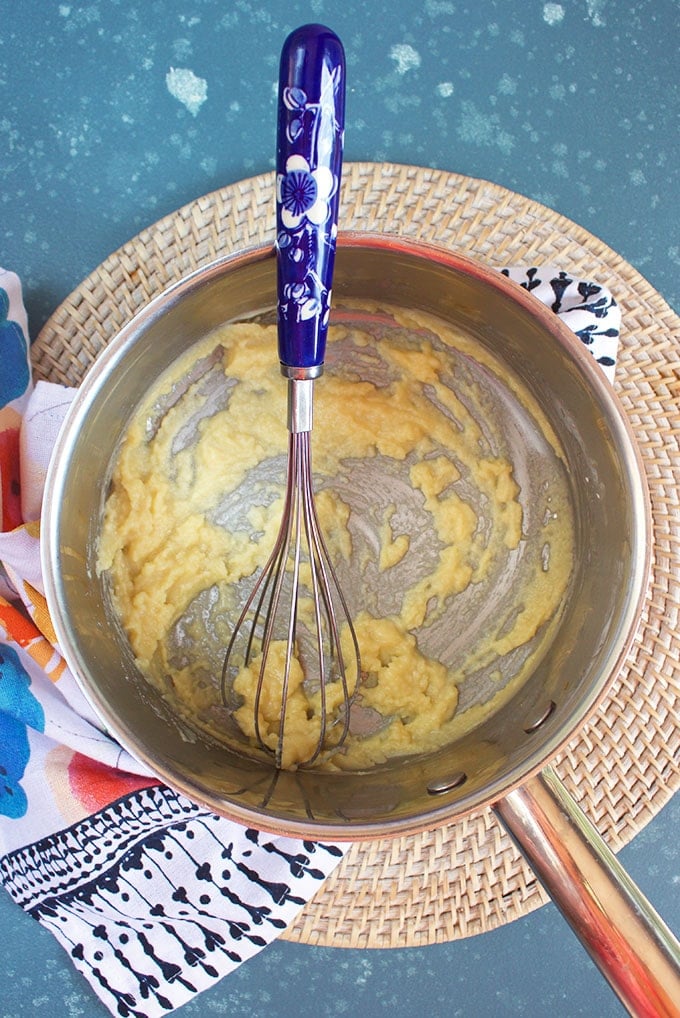
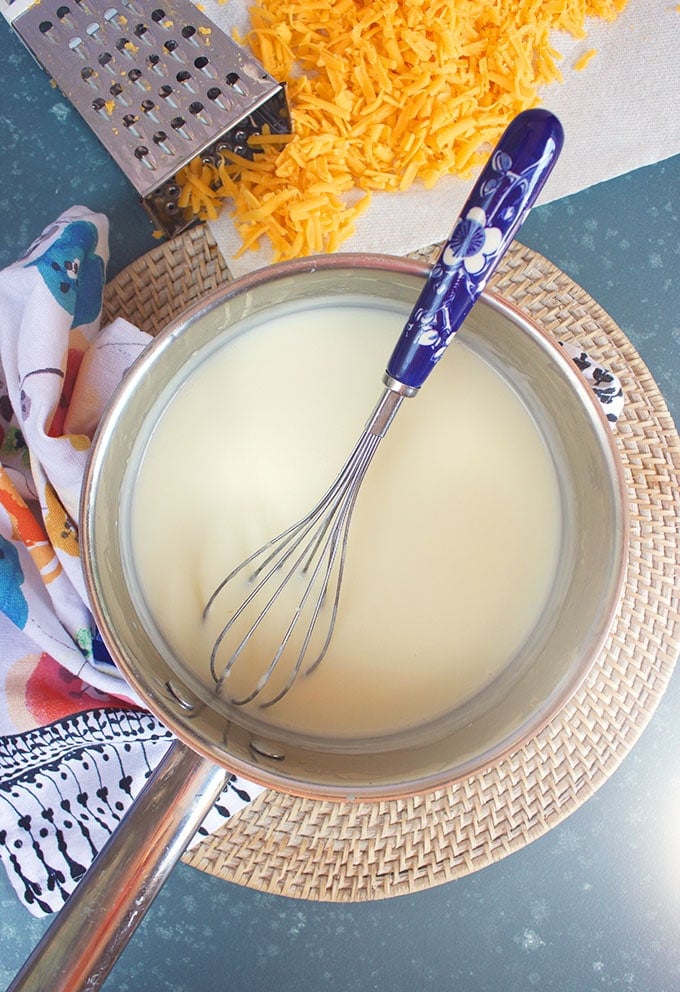
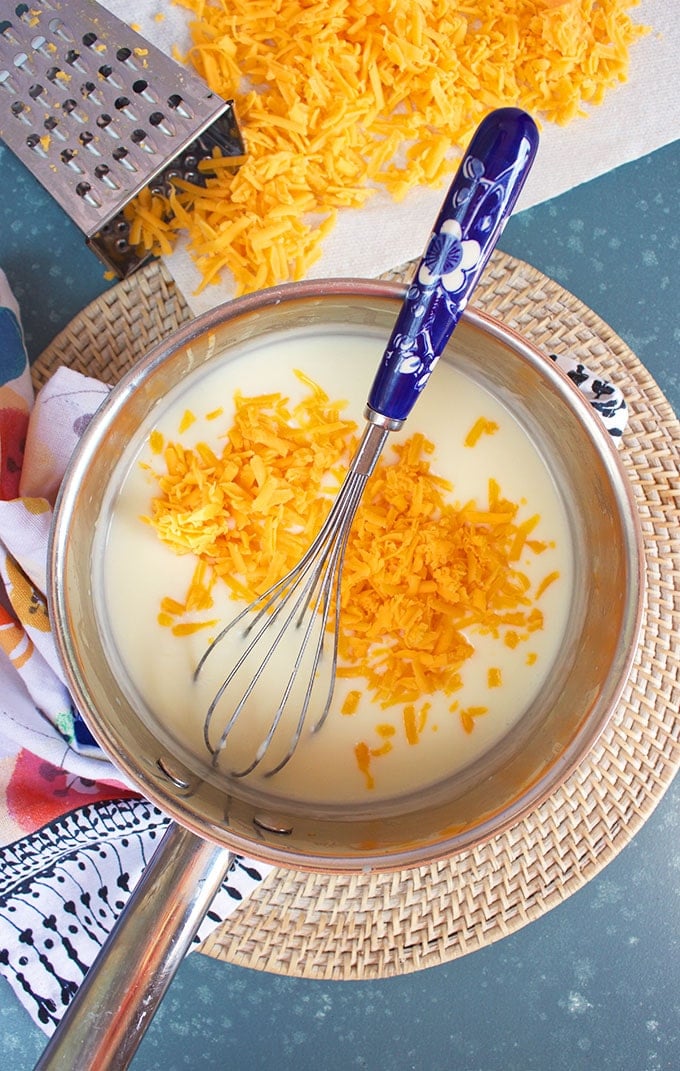
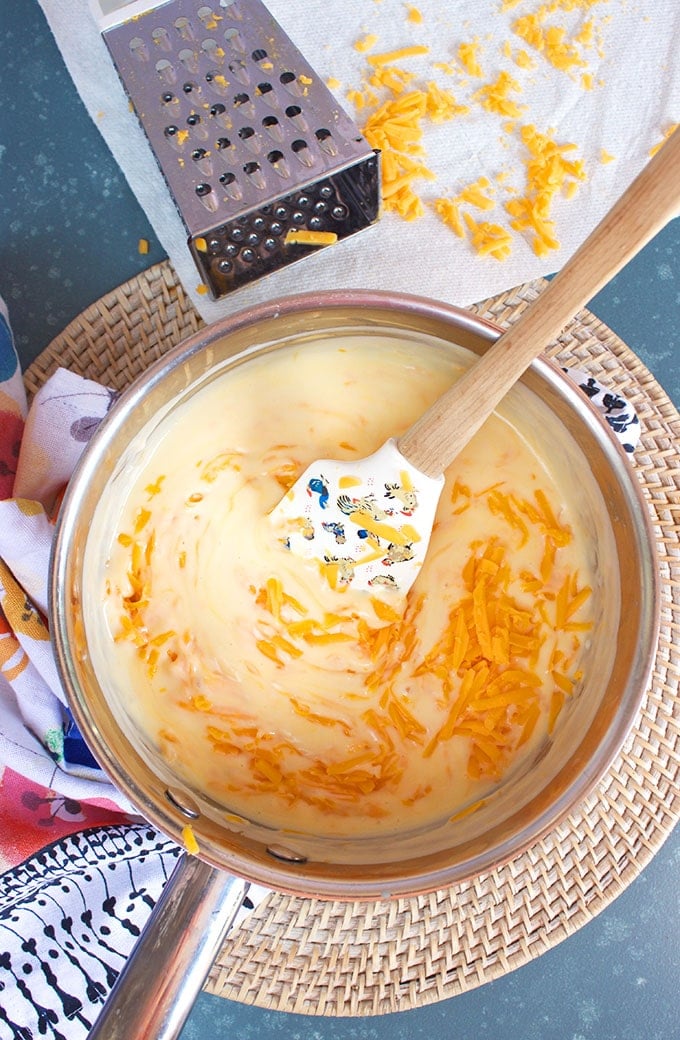
Can you Make mac and Cheese in One Pot?
Absolutely! If you’re looking for an easy One Pot Macaroni and Cheese recipe, you can make this one without dirtying a second saucepan.
Simply cook the macaroni in a large pot of salted water until al dente. Before draining, save a little of the starchy cooking water. Drain the pasta and set it aside.
Return the same pot to the stove and make the cheese sauce with the butter, flour, milk, and shredded cheddar. Once the sauce is smooth, stir the cooked macaroni back into the pot.
This version takes a few minutes longer than making the sauce while the pasta boils, but you’ll have one less pot to wash. And on a busy weeknight, I’ll take that little win!
One thing to know: This is a one-pot, two-stage method. The pasta is cooked and drained before making the cheese sauce, rather than simmering directly in the sauce.
What’s the Best Cheese for Stovetop Mac and Cheese?
Sharp cheddar is my favorite cheese for homemade mac and cheese because it has plenty of flavor without needing a long list of extra ingredients. It’s the closest you’ll get to that familiar boxed mac and cheese flavor, only so much better.
For a milder flavor, use medium cheddar or replace some of the sharp cheddar with a softer-melting cheese.
A few of my favorite combinations:
- Sharp Cheddar and Monterey Jack – Creamy, mild, and super melty.
- Cheddar and Gruyère – Rich and a little nutty. Perfect when you want something more grown-up.
- Cheddar and Colby Jack – Classic, creamy, and extra kid-friendly.
Kellie’s Tips for the Best Mac and Cheese
I’ve made enough homemade mac and cheese over the years to learn that a few little tricks make a big difference.
- Grate the cheese yourself. It melts more smoothly and gives the sauce a better texture.
- Don’t rush the roux. Cook the butter and flour for a couple of minutes before adding the milk so you don’t end up with a raw flour flavor.
- Keep the heat gentle. High heat is the enemy of creamy cheese sauce. Remove the pan from the heat when adding the cheese to help prevent separation.
- Cook the pasta just until al dente. It will continue to soften slightly once it’s mixed with the hot cheese sauce.
- Keep the sauce a little loose. It thickens as it cools, so don’t worry if it seems slightly thinner than you want when you first combine everything.
- Save some pasta water. A splash of the starchy cooking water helps loosen the sauce if it gets too thick.
How to Fix Mac and Cheese Sauce
Even the easiest mac and cheese can have an off day. Fortunately, most sauce problems are pretty easy to fix.
Why Is My Mac and Cheese Grainy?
The most common reason is that the cheese got too hot. High heat can cause the proteins in the cheese to tighten and the sauce to separate.
Remove the pan from the heat and gently stir in a splash of warm milk. It may help smooth things out, although a completely broken sauce isn’t always possible to fix.
Next time, let the sauce cool slightly before adding the cheese and stir it in gradually.
How Do I Fix Mac and Cheese That’s Too Thick?
This is an easy one! Just stir in a splash of warm milk or reserved pasta water until the sauce loosens up.
Mac and cheese continues to thicken as it sits, so you may need to add a little more liquid if you’re not serving it immediately.
What If My Cheese Sauce Is Too Thin?
If the milk sauce hasn’t thickened yet, continue cooking it gently while whisking until it coats the back of a spoon.
If you’ve already added the cheese and macaroni, let the mixture rest for a minute or two. The pasta will absorb some of the sauce as it sits.
Avoid boiling the finished cheese sauce to thicken it because that can make the cheese separate.
How Long Does It Take
This easy Mac and cheese recipe is on the table in about 10-12 minutes. If you’re looking to make the whole recipe in one pot then it will take a bit longer, which is still about 15-16 minutes.
I like to make the cheese sauce while the pasta is cooking so I can get dinner on the table in a flash but if you’re not pressed for time and can spare and extra 8 minutes, then boil the pasta in the pot first. Drain and then make the cheese sauce in the same pot. Still quick, still easy, still creamy deliciousness!

Easy Mac and Cheese Variations
One of my favorite things about homemade macaroni and cheese is how easy it is to make it your own.
- Bacon Mac and Cheese – Stir in crispy, crumbled bacon just before serving.
- Chicken Mac and Cheese – Add shredded rotisserie chicken for a quick, filling dinner.
- Broccoli Mac and Cheese – Mix in steamed broccoli florets for an easy way to sneak in some veggies.
- Ham and Cheese Macaroni – Add diced leftover ham for a cozy comfort food dinner.
- Spicy Mac and Cheese – Use some pepper Jack cheese or add a dash of hot sauce.
Just be sure any meat or vegetables are already cooked before stirring them into the finished mac and cheese.
What to Serve with Stovetop Mac and Cheese
This easy macaroni and cheese is perfect all by itself, but it’s also one of my favorite side dishes for a classic comfort food dinner.
A few of my favorite things to serve with it:
- Crockpot Meatloaf – Because meatloaf and mac and cheese were practically made for each other.
- Best Oven Baked Chicken Breast – An easy protein that makes dinner feel complete.
- Salisbury Steak with Mushroom Gravy – For those nights when only serious comfort food will do.
- Loaded Iceberg Wedge Salad – Something cool and crunchy to balance all that cheese.
- Italian Style Stewed Tomatoes – A classic pairing with a little acidity to cut through the richness.
Mac and cheese is also a great addition to a holiday dinner or backyard barbecue. It’s one of those dishes that always disappears first!
How to Store and Reheat Mac and Cheese
Homemade mac and cheese is definitely at its best when it’s freshly made, but leftovers are pretty great, too.
Storing Leftovers
Store leftover Stovetop Mac and Cheese in an airtight container in the refrigerator for up to 3–4 days. The cheese sauce will thicken as it cools, which is completely normal.
Reheating Mac and Cheese
For the creamiest results, reheat leftovers in a saucepan over low heat with a splash of milk, stirring gently until heated through.
You can also reheat individual servings in the microwave in short intervals, stirring between each one. Add a little milk as needed to keep the sauce creamy.
Can You Freeze Stovetop Mac and Cheese?
Yes, but I don’t recommend freezing it if you can avoid it. Cheese sauces can become grainy after freezing and thawing, and the pasta may soften.
If you do want to freeze it, cool completely and store in an airtight freezer-safe container for up to 2 months. Thaw overnight in the refrigerator before reheating gently with a splash of milk.
Can You Make Mac and Cheese Ahead of Time?
You can, but I think this recipe is best served fresh.
If you want to get a head start, shred the cheese, measure out your ingredients, and cook the pasta ahead of time. Then you can make the sauce and combine everything just before serving.
If you’re preparing the entire recipe in advance, refrigerate it promptly and reheat with a little additional milk to loosen the sauce.

More Easy Pasta Recipes
If you love this creamy Stovetop Mac and Cheese, you have to try a few of my other easy pasta favorites!
My Crockpot Mac and Cheese is perfect when you want a more hands-off recipe, while Homemade Baked Mac and Cheese is my favorite for holidays and special occasions. And if you need something a little heartier for dinner, Chili Mac and Cheeseburger Macaroni are always a hit.
Did you make this recipe? Leave a star rating and comment below! I’d love to hear what cheese you used or if you added anything fun to make it your own.
To see more fun food, follow us over on Instagram.
Easy Macaroni and Cheese Recipe
Equipment
- 1 saucepan
- whisk
- Strainer
Ingredients
- 1 lb macaroni
- 1/4 cup butter
- 1/4 cup flour
- 2 1/2 cups low fat milk
- 2 1/2 cups cheddar cheese, shredded
- salt and pepper, to taste
Instructions
- Bring a large pot of salted water to a boil. Add the macaroni and cook until al dente, approximately 8 minutes or according to package directions.
- While the pasta cooks, melt the butter in a medium saucepan over medium heat. Add the flour and whisk constantly for 2–3 minutes, until lightly golden.
- Slowly whisk the milk into the butter-and-flour mixture. Reduce the heat as needed to maintain a gentle simmer, stirring until the sauce thickens enough to lightly coat the back of a spoon, approximately 4–5 minutes. Do not boil.
- Remove the saucepan from the heat and gradually stir in the shredded cheddar cheese until completely melted and smooth. Season with salt and pepper to taste.
- Before draining the macaroni, reserve up to 1 cup of the pasta cooking water. Drain the macaroni without rinsing. Fold the pasta into the cheese sauce and stir until combined.
- If the sauce is too thick, add a little reserved pasta water, one splash at a time, until creamy. Adjust the seasoning and serve immediately.
Video
Notes
- Shred cheddar cheese from a block for the smoothest sauce.
- Remove the sauce from the heat before stirring in the cheese. High heat can cause the sauce to become grainy.
- Cook macaroni just until al dente to prevent it from becoming mushy.
- If the sauce is too thick, stir in a splash of warm milk or reserved pasta water.
- For a one-pot version, cook and drain the pasta first, then prepare the cheese sauce in the same pot before combining.
Nutrition
Nutrition information is automatically calculated, so should only be used as an approximation.
Troubleshooting Stovetop Mac and Cheese
If your mac and cheese doesn’t turn out exactly the way you hoped, a few small fixes usually solve the problem quickly.
Why Is My Mac and Cheese Grainy?
Grainy cheese sauce usually happens when the heat is too high or the cheese is added too quickly. To fix it, keep the heat low and stir in the cheese gradually so it melts smoothly into the sauce.
Why Is My Mac and Cheese Too Thick?
Mac and cheese thickens as it sits, especially after the pasta absorbs more sauce. Stir in a splash of milk before serving or reheating to loosen it back up.
Why Is My Cheese Sauce Clumpy?
Clumps can happen when the cheese doesn’t melt evenly. Using freshly shredded cheese and adding it slowly over low heat helps create a smoother sauce.
Why Does Mac and Cheese Taste Bland?
The sauce may just need a little more seasoning. Salt, black pepper, and a small boost of flavor from cheeses with a sharper taste can make a big difference.
Why Did My Mac and Cheese Dry Out?
Mac and cheese can dry out if it sits too long or is reheated too aggressively. Reheat it gently and stir in a little milk to bring back the creamy texture.










Do you use salted butter? Have not made this yet.
Always salted for me. 🙂
If you’re beig truthful, 10 minutes is a stretch of your imagination. From getting the water to boiling, to cooking, takes longer than that. Even if you are making the sauce at the same time, 20-25 miutes is more like it. Not to mention getting all your ingredients out and the various pans you need. Prep work counts in that time.
Actually, when writing a recipe, the prep time of taking out the pans does not factor into it. I can totally get this on the table in 10 minutes not factoring in the time it takes to boil the water.
Crazy easy recipe with minimal ingredients. Thank you so much for sharing this. My kids love it every time and I love how quick it is. I don’t like cooking but this recipe makes me want to cook it myself 🙂
You’re very welcome! It’s so easy, we make it often.
All sounds delicious. And how to cook chicken keeping it juicey. Can’t wait to try.
Made this for Thanksgiving – following recipe to a T – and it was HORRIBLE! Think flour may have been a mistake and won’t use this again
Hmmm, you’re the first to share this issue. You need flour to make a roux or use cornstarch.
Hello! Can I double the quantity?
Yes, you can! It works well when you have to double the recipe.
Its good but this was my first time making it and I used Swiss so it was good but I did mess up
Oh, no! I hope you give it another try with cheddar as it makes the best Mac and cheese.